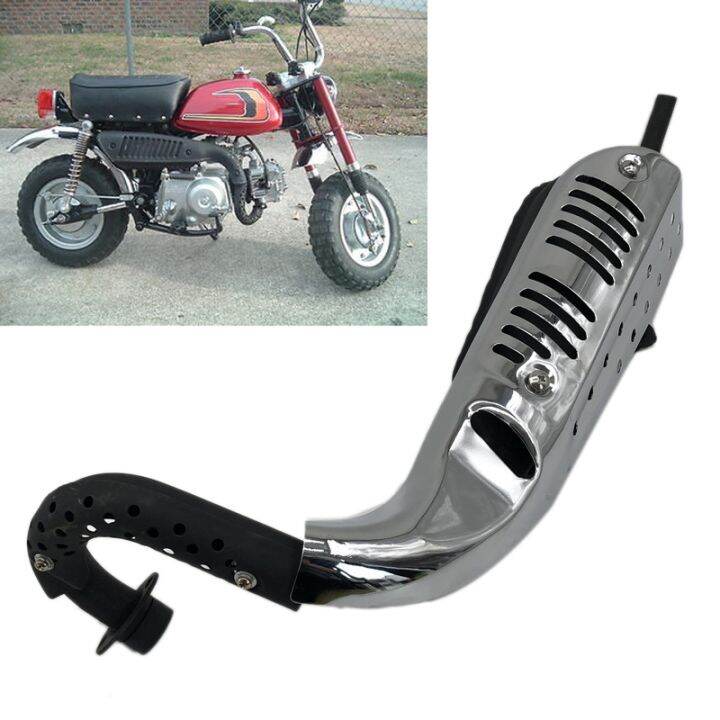
The contrasting approaches to exhaust sound design in motorcycles and cars highlight a fundamental difference in engineering priorities. Motorcycle exhaust sound tuning prioritizes a powerful and distinctive sound, often achieved through modifications that enhance volume and character. In contrast, new car exhaust acoustics emphasize a balanced noise profile, minimizing unwanted noise while creating a pleasant in-cabin experience. This exploration of motorcycle exhaust sound tuning vs. new car exhaust acoustics will delve into how these differing goals shape the design process, from component selection to overall system optimization, ultimately explaining why the approaches are so vastly different. We’ll examine how tuning motorcycle exhaust sounds differs from designing car exhaust acoustics for a balanced noise profile.
You may also refer to 汽車空調系統維修常見問題:冷氣不冷、異味、漏水?完整教學與保養秘訣
- Exhaust Design: Key Differences
- Tuning Strategies: A Direct Comparison
- Sound Design: Contrasting Approaches
- Exhaust Tuning: Key Differences
- Motorcycle Exhaust Sound Tuning vs. New Car Exhaust Acoustics Conclusion
- Motorcycle exhaust sound tuning vs. new car exhaust acoustics Quick FAQ
Exhaust Design: Key Differences
The fundamental differences between motorcycle and car exhaust design stem from their vastly different goals. Motorcycle exhaust systems are often designed for maximum sound, prioritizing a powerful and distinctive roar. This is achieved through careful manipulation of internal geometry, including the use of strategically placed baffles and expansion chambers to amplify specific frequencies. Conversely, car exhaust design leans heavily towards noise reduction, aiming for a refined and subdued sound profile that doesn’t overwhelm the cabin or annoy nearby pedestrians. This approach necessitates the use of advanced noise cancellation techniques and carefully designed muffler systems to minimize unwanted sound.
This divergence in design philosophy leads to several key differences in the engineering approach. Consider these points:
- Materials: Motorcycle exhausts often utilize lightweight, high-temperature materials like stainless steel or titanium to maximize performance and aesthetics. Car exhausts, while also using stainless steel, sometimes incorporate materials that enhance noise dampening properties.
- Internal Structure: Motorcycle exhausts often feature simple, straight-through designs or incorporate strategically placed resonators to amplify particular frequencies, resulting in a powerful and often loud sound. Car exhausts utilize complex internal structures with multiple chambers and intricate baffling systems to significantly reduce noise levels across a wide range of frequencies.
- Regulations: Motorcycle exhaust regulations are often less stringent than those for cars. This greater freedom allows for louder and more aggressive exhaust notes, whereas car exhaust systems must comply with stringent noise emission regulations.
- Backpressure: While both aim for optimized backpressure, the target pressure varies significantly. Motorcycle exhaust tuning often targets a specific backpressure to maximize engine performance, often at the expense of noise. In contrast, car exhaust design balances backpressure optimization with noise reduction requirements.
These differences highlight the contrasting priorities of each design approach: raw power and distinctive sound versus refined acoustics and noise reduction. The resulting exhaust systems are drastically different in their construction, performance characteristics, and overall sound signature.
Tuning Strategies: A Direct Comparison
Let’s delve into the drastically different approaches to exhaust tuning in motorcycles versus cars. The core objective shapes every decision, from initial design to final testing. Motorcycle exhaust tuning prioritizes maximizing power output and creating a unique, often loud, sound signature. This often involves modifying existing components or designing completely new systems to achieve specific acoustic characteristics, directly impacting the engine’s performance. Car exhaust design, however, is far more nuanced, balancing performance gains with strict noise regulations and the desire for a refined, less intrusive sound experience for both driver and passengers. This contrasts sharply with the motorcycle approach where raw power and distinctive sound often take precedence.
Here’s a bullet-point comparison highlighting the key differences in tuning strategies:
- Motorcycle Tuning:
- Focus: Maximize power and create a distinctive, often loud, sound.
- Methods: Often involve aftermarket modifications like replacing mufflers, headers, and adding performance exhaust systems. These modifications directly influence backpressure and airflow, affecting power output and the resulting sound.
- Regulations: Generally less stringent regarding noise levels, although some jurisdictions are starting to implement stricter regulations.
- Sound Profile: Loud, aggressive, often with a throaty or screaming tone.
- Car Exhaust Tuning:
- Focus: Achieve a balanced acoustic profile that minimizes noise pollution while delivering a pleasant and refined sound experience.
- Methods: Involve sophisticated computational fluid dynamics (CFD) modeling and extensive testing to optimize sound absorption, reflection, and transmission within the exhaust system. Sound dampening materials and carefully designed geometries play a crucial role.
- Regulations: Subject to strict noise emission regulations, mandating specific noise limits depending on vehicle type and region.
- Sound Profile: Subtle, refined, and often quiet, minimizing noise intrusion into the cabin and the external environment.
Sound Design: Contrasting Approaches
The core philosophies behind motorcycle and car exhaust sound design diverge significantly. Motorcycle exhausts often prioritize a powerful and aggressive sound, frequently exceeding legal noise limits. This is achieved through modifications that amplify specific frequencies, creating a distinctive and often loud roar. Think of the deep rumble of a Harley-Davidson or the screaming shriek of a high-performance sportbike—these are deliberate design choices, driven by rider preference and brand identity. Conversely, car exhaust sound design places a premium on a balanced acoustic profile. Regulations strictly limit noise output, forcing engineers to carefully manage the sound throughout the vehicle’s operating range. The goal is not to create a dramatic auditory experience, but rather to ensure a pleasant, refined, and unobtrusive sound for occupants while minimizing external noise pollution. This necessitates careful consideration of sound dampening and absorption materials, as well as precise tuning of the exhaust system’s resonance characteristics. The differences are stark: one celebrates raw power and audible aggression, the other emphasizes refinement and quiet operation.
To illustrate this further:
- Motorcycles: Often employ straight-through designs, resonators tuned for specific frequency amplification, and minimal sound deadening to maximize volume and character. The sound is a key selling point.
- Cars: Utilize complex exhaust systems incorporating multiple chambers, catalytic converters, mufflers, and strategically placed sound-absorbing materials. The sound is designed to be a secondary consideration, subservient to noise reduction and regulatory compliance.
| Feature | Motorcycles | Cars |
|---|---|---|
| Design Philosophy | Powerful and aggressive sound; prioritizes volume and character. | Balanced acoustic profile; prioritizes noise reduction and regulatory compliance. |
| Sound Characteristics | Loud roar, deep rumble, or screaming shriek (depending on design). Sound is a key selling point. | Pleasant, refined, and unobtrusive sound; minimizes external noise pollution. Sound is a secondary consideration. |
| Exhaust System Design | Often straight-through designs; resonators tuned for specific frequency amplification; minimal sound deadening. | Complex systems with multiple chambers, catalytic converters, mufflers, and strategically placed sound-absorbing materials. |
| Regulatory Compliance | Frequently exceeds legal noise limits. | Strictly adheres to noise regulations. |
Exhaust Tuning: Key Differences
While both motorcycles and cars utilize exhaust systems to expel burnt gases, the approaches to exhaust tuning differ dramatically. The core distinction lies in the prioritization of sound characteristics. Motorcycle exhaust tuning, frequently undertaken by enthusiasts, prioritizes a powerful, often loud, and individualistic sound. This is often achieved through modifications that alter the exhaust’s geometry, internal components (like baffles), and materials. These modifications directly impact the resonance frequencies, creating the desired aggressive and distinctive sound profile.
Conversely, car exhaust acoustic design, especially in new vehicles, emphasizes a balanced acoustic profile. The engineering focus shifts to minimizing noise pollution while maintaining a pleasant, often refined, soundscape for the occupants. This necessitates careful control over sound levels across a wide range of engine speeds and operating conditions. This inherently involves more complex engineering processes, encompassing factors like sound absorption, sound cancellation techniques, and the use of specialized materials to dampen noise effectively.
Let’s explore the implications further:
- Motorcycle exhaust tuning often involves replacing entire exhaust systems with aftermarket components designed to maximize sound output and potentially engine performance. The primary goal is a visceral and captivating auditory experience.
- Car exhaust design emphasizes compliance with strict noise regulations. The engineering effort is heavily geared towards minimizing intrusive noise, especially at higher engine speeds. The design objective here is to ensure a smooth, quiet, and comfortable in-cabin experience.
This fundamental difference in design goals profoundly affects the materials used, the design complexity, and the ultimate sound character produced. We’ll delve deeper into these aspects in subsequent sections.
Motorcycle Exhaust Sound Tuning vs. New Car Exhaust Acoustics Conclusion
In exploring Motorcycle exhaust sound tuning vs. new car exhaust acoustics, we’ve uncovered a fascinating dichotomy in engineering priorities. The pursuit of a powerful, distinctive roar in motorcycles stands in stark contrast to the quest for a refined, noise-minimized experience in cars. This fundamental difference shapes every aspect of the design process, from material selection and internal system architecture to the overall tuning strategies employed.
While both aim to manage exhaust gases effectively, the approaches diverge significantly. Motorcycle exhaust tuning often prioritizes maximizing power and crafting a unique, sometimes loud, sound signature through modifications and aftermarket components. This often results in a more straightforward system design with a focus on amplifying specific frequencies. New car exhaust acoustics, conversely, emphasize a balanced acoustic profile that minimizes noise pollution while ensuring a pleasant in-cabin experience. This necessitates sophisticated engineering solutions, including advanced noise cancellation techniques, intricate internal baffling systems, and the use of specialized sound-dampening materials. The goal is less about creating a dramatic sound and more about achieving a refined and quiet ride.
Understanding these differences is crucial for enthusiasts and engineers alike. Whether you’re modifying your motorcycle’s exhaust for a more aggressive sound or appreciating the quiet sophistication of a modern car’s acoustic engineering, the contrasting approaches in Motorcycle exhaust sound tuning vs. new car exhaust acoustics reveal a rich tapestry of engineering challenges and design solutions.
The contrasting approaches highlight the diverse goals and constraints influencing exhaust system design. Ultimately, the choice between a powerful, characterful roar and a refined, silent experience depends on the intended purpose and priorities of the vehicle itself. From the raw power of a modified motorcycle to the quiet comfort of a new car, understanding these principles unveils the complex world of automotive acoustics.
Motorcycle exhaust sound tuning vs. new car exhaust acoustics Quick FAQ
What are the primary differences in design goals between motorcycle and car exhaust systems?
Motorcycle exhaust design prioritizes a powerful and distinctive sound, often loud and aggressive. Modifications are common to enhance this characteristic. Conversely, car exhaust design focuses on a balanced noise profile, minimizing noise pollution while maintaining a pleasant, often subtle, in-cabin experience. This difference fundamentally shapes the engineering approaches used.
How do the regulatory environments impact exhaust design in motorcycles and cars?
Motorcycle exhaust regulations are generally less stringent than those for cars, allowing for louder and more aggressive sound profiles. Car exhaust systems must adhere to strict noise emission regulations, demanding sophisticated noise reduction technologies to meet compliance standards. This disparity directly influences the design complexity and the resulting sound.
What are the key differences in the tuning strategies employed for motorcycle and car exhaust systems?
Motorcycle exhaust tuning often involves aftermarket modifications to maximize sound output and potentially engine performance, focusing on a visceral and captivating auditory experience. Car exhaust design utilizes sophisticated computational modeling and testing to optimize sound absorption and minimize noise pollution, prioritizing a refined and quiet in-cabin experience.