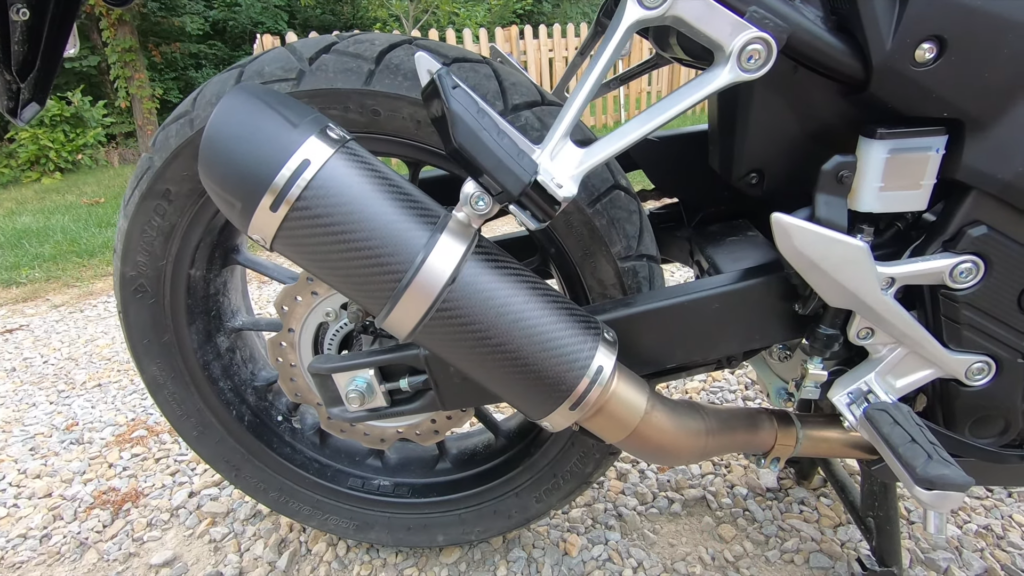
This guide explores the world of performance exhaust upgrades, comparing and contrasting the options available for motorcycles and cars. We’ll delve into the specifics of motorcycle exhaust system aftermarket options vs. new car exhaust upgrades, examining popular aftermarket motorcycle exhausts and their impact on horsepower, sound, and emissions. For cars, the discussion will cover various performance exhaust systems, analyzing their effects on power, fuel efficiency, driving experience, legality, and long-term durability. This comparative approach will allow enthusiasts to make informed decisions when choosing the best exhaust upgrade for their vehicle.
You may also refer to 汽車底盤防鏽處理步驟:DIY完整教學,延長愛車壽命!
- Exhaust Choices: Bikes vs. Cars
- Upgrade Choices: Bikes & Cars Compared
- Exhaust Upgrades: Bikes & Cars Compared
- Exhaust Upgrades: Bikes & Cars Compared
- Motorcycle exhaust system aftermarket options vs. new car exhaust upgrades Conclusion
- Motorcycle exhaust system aftermarket options vs. new car exhaust upgrades Quick FAQ
Exhaust Choices: Bikes vs. Cars
When considering aftermarket exhaust systems, the choices for motorcycles and cars differ significantly, impacting both performance and the overall riding/driving experience. For motorcycles, the options often prioritize weight reduction alongside power gains. Lightweight materials like titanium and carbon fiber are common, leading to improved handling. This focus on weight isn’t as critical for cars, where the increased power from a performance exhaust is a primary concern. Let’s delve into the specifics:
Motorcycle Exhaust Choices:
- Slip-on mufflers: These are the easiest to install, offering a relatively simple way to improve sound and, sometimes, slightly increase horsepower. However, gains are often modest compared to full exhaust systems. Consider the trade-off between improved sound and potential noise violations.
- Full exhaust systems: Replacing the entire exhaust system, from the header to the muffler, offers more substantial performance gains in terms of horsepower and torque. This involves a higher initial cost and potentially more complex installation. The exhaust note is dramatically altered, often resulting in a much louder and more aggressive sound.
- Performance headers: These are designed to improve exhaust flow from the engine. They often require a full exhaust system to reach their potential and lead to the most significant gains, but also increase the chance of noise issues and may not be street-legal in all jurisdictions.
Car Exhaust Choices:
- Cat-back systems: These replace the exhaust components from the catalytic converter back. While offering notable improvements in sound and performance, they retain the factory catalytic converter for emissions compliance. However, power gains might be less significant than full systems.
- Full exhaust systems (for cars): Replacing the entire exhaust system, including the headers and catalytic converter, can yield substantial power gains but raises concerns about emissions compliance and legality. Proper tuning is essential to avoid engine issues.
- Headers (for cars): Similar to motorcycles, headers for cars are designed to improve exhaust flow. These upgrades, often paired with a cat-back or full system, provide significant power increases but might not meet emission standards in certain regions.
Choosing the right exhaust system depends heavily on individual priorities – whether it’s maximizing horsepower, achieving a specific sound profile, or balancing performance enhancements with legal compliance and long-term vehicle health. The impact of each choice on fuel economy also warrants consideration, especially for car owners.
Upgrade Choices: Bikes & Cars Compared
Choosing the right exhaust upgrade significantly impacts both performance and the overall riding/driving experience. The options available, however, differ considerably between motorcycles and cars. Let’s break down the key upgrade choices:
- Motorcycles: The aftermarket offers a vast array of choices, ranging from slip-on mufflers—a relatively simple and affordable upgrade focusing primarily on sound and a minor power boost—to full exhaust systems. Full systems replace the entire exhaust pathway, from the headers to the muffler, offering more substantial gains in horsepower and torque but also significantly increasing the cost and complexity of installation. Consider factors like material (stainless steel, titanium, carbon fiber), design (performance-oriented vs. more subdued aesthetics), and noise levels when selecting a motorcycle exhaust. Remember to check local noise ordinances before installation as non-compliant systems can lead to penalties.
- Cars: Car exhaust upgrades present a different landscape. Options include cat-back systems (replacing the exhaust from the catalytic converter back), axle-back systems (affecting only the mufflers and tailpipes), headers (improving exhaust flow from the engine), and even full exhaust manifold replacements. The impact on performance varies with each system. Axle-back systems generally offer the least dramatic improvements, focusing primarily on sound, while headers and full exhaust systems can yield significant horsepower and torque gains, though often at a premium price. Fuel efficiency can be subtly affected, sometimes positively with improved flow, but often negatively due to increased engine noise encouraging more aggressive driving. Moreover, the legal ramifications are more stringent for cars; modifying emissions-related components can result in vehicle failure in inspections.
Both motorcycles and cars benefit from careful consideration of long-term reliability. Cheap, poorly constructed aftermarket exhausts can lead to premature failure, corrosion, or even damage to other components. Investing in quality products from reputable manufacturers is essential to avoid such problems. Furthermore, professional installation is often advisable, especially for complex systems.
Exhaust Upgrades: Bikes & Cars Compared
When considering exhaust upgrades, the differences between motorcycles and cars are significant, impacting both the process and the results. For motorcycles, the aftermarket exhaust options are often more focused on weight reduction and sound modification alongside horsepower gains. A slip-on muffler replacement is a common entry-level upgrade, offering a noticeable change in sound and sometimes a slight horsepower increase. However, the impact on overall performance is usually less dramatic than with full exhaust system replacements. Full systems, including headers and mid-pipes, typically offer more substantial gains in horsepower and torque but at a higher cost and with more potential for increased noise.
Car exhaust upgrades, on the other hand, present a wider array of choices. Options range from simple cat-back exhaust systems that replace the components from the catalytic converter back, to full exhaust system replacements including manifolds and headers. The impact on horsepower and torque can vary considerably depending on the design and the vehicle. For cars, considerations extend beyond sound and power to include factors such as fuel efficiency and the potential impact on emissions. Some performance exhaust systems can actually improve fuel economy in certain driving situations, while others might increase it slightly due to reduced back pressure. The legal implications of modifications, particularly regarding emissions compliance, are also much more significant for cars than for motorcycles in many jurisdictions. This requires careful consideration of the legal limits and potential consequences of exceeding them.
Here’s a quick comparison:
- Motorcycles: Often prioritize sound and weight reduction; Slip-on mufflers are common entry-level upgrades; full systems offer more substantial performance gains.
- Cars: Wider range of options including cat-back and full exhaust systems; considerations include horsepower, torque, fuel efficiency, and emissions compliance; legal implications are more significant.
“`html
| Feature | Motorcycles | Cars |
|---|---|---|
| Upgrade Focus | Sound, Weight Reduction, Horsepower Gains | Horsepower, Torque, Fuel Efficiency, Emissions Compliance |
| Entry-Level Upgrades | Slip-on Muffler Replacements (Slight sound & horsepower increase) | Cat-back Exhaust Systems |
| Advanced Upgrades | Full Exhaust Systems (Headers, Mid-pipes; Substantial performance gains) | Full Exhaust Systems (Manifolds, Headers) |
| Performance Impact | Significant gains with full systems; less dramatic with slip-ons. | Varies considerably depending on design and vehicle. |
| Other Considerations | Noise levels | Fuel efficiency, Emissions compliance, Legal implications |
“`
Exhaust Upgrades: Bikes & Cars Compared
While both motorcycles and cars benefit from exhaust upgrades, the specifics differ significantly. Motorcycle exhaust systems often prioritize weight reduction alongside performance gains. A lighter exhaust improves handling and acceleration, a crucial factor in motorcycle performance.
Conversely, car exhaust systems, especially in larger vehicles, can afford to be heavier, allowing for more complex designs focused on maximizing horsepower and torque across a wider RPM range. This often involves larger diameter piping and more intricate muffler configurations.
The sound produced also varies drastically. Motorcycle exhausts often aim for a raw, aggressive sound, with many aftermarket options offering a range from a deep rumble to a screaming shriek. Car exhausts, while also offering performance-oriented sounds, often provide more options for a refined, less intrusive tone to meet diverse preferences and legal noise restrictions.
This difference is partially driven by the inherent nature of the engine and the vehicle’s intended use; a sports bike will often be designed with a more aggressive exhaust note, while a family sedan prioritizes quieter operation.
Furthermore, the installation process differs considerably. Motorcycle exhaust systems are generally simpler to install, often requiring only basic tools and mechanical knowledge. Car exhaust systems, particularly those involving catalytic converters or complex manifolds, can demand significantly more expertise and specialized equipment. This difference directly impacts the cost of installation, with motorcycle exhaust replacements often being much more affordable DIY projects than those for cars.
Finally, legal considerations are another key difference. While many aftermarket exhausts comply with noise regulations, some do not, potentially leading to legal issues or vehicle inspection failures. These legal nuances differ significantly between motorcycles and cars, as well as from region to region. Therefore, thorough research into local laws and regulations is essential before making any exhaust upgrade, whether for a bike or a car. Choosing a reputable supplier that clearly states emissions and noise compliance is highly recommended to avoid potential problems.
Motorcycle exhaust system aftermarket options vs. new car exhaust upgrades Conclusion
This comprehensive guide on Motorcycle exhaust system aftermarket options vs. new car exhaust upgrades has explored the diverse world of performance exhaust enhancements for both motorcycles and cars. We’ve examined the key differences in available options, installation processes, performance gains, sound profiles, legal considerations, and long-term reliability. From the simple slip-on mufflers for motorcycles to the more complex full exhaust systems for cars, the choices are many and varied.
Ultimately, the “best” exhaust upgrade depends entirely on your individual priorities and vehicle. Do you prioritize weight savings and a raw, aggressive sound for your motorcycle, or are you more concerned with maximizing horsepower and torque in your car, even if it means a slightly higher price tag and more complex installation? Consider the balance between performance gains, legal compliance (especially important for car upgrades), fuel efficiency (for cars), and the overall driving or riding experience. Remember that a poorly chosen or installed exhaust can negatively affect your vehicle’s performance and longevity. Prioritize quality components from reputable manufacturers and, when in doubt, seek professional installation.
Careful consideration of these factors is crucial before committing to any exhaust upgrade. This guide has provided the necessary information to make an informed decision. Remember to always research local regulations regarding noise and emissions before making your purchase and installation. Happy riding and driving!
Motorcycle exhaust system aftermarket options vs. new car exhaust upgrades Quick FAQ
What are the main differences between aftermarket exhaust options for motorcycles and cars?
The primary differences lie in the emphasis on weight reduction for motorcycles versus power gains for cars. Motorcycle exhausts often utilize lightweight materials like titanium and carbon fiber to improve handling. Car exhaust systems, while also benefiting from performance gains, prioritize power and torque across a broader RPM range, sometimes at the expense of weight. Additionally, legal restrictions, especially regarding emissions compliance, are generally stricter for cars than for motorcycles.
Which type of exhaust system offers the most significant performance gains: slip-on mufflers or full exhaust systems?
For both motorcycles and cars, full exhaust systems typically offer the most substantial performance improvements in terms of horsepower and torque. Slip-on mufflers provide a simpler, more affordable upgrade that primarily impacts sound and offers only a modest power increase. However, the increased complexity and cost of a full system must be weighed against the potential gains.
How do exhaust upgrades affect fuel efficiency?
The impact of exhaust upgrades on fuel efficiency is nuanced and varies depending on the specific system and vehicle. In some cases, improved exhaust flow can lead to slight increases in fuel economy. However, a more aggressive engine note from a performance exhaust might encourage more spirited driving, potentially offsetting any gains. Furthermore, the type of exhaust system (e.g., cat-back vs. full system) significantly influences the effect on fuel economy. It’s difficult to predict the exact impact without specific data for a particular vehicle and exhaust system.