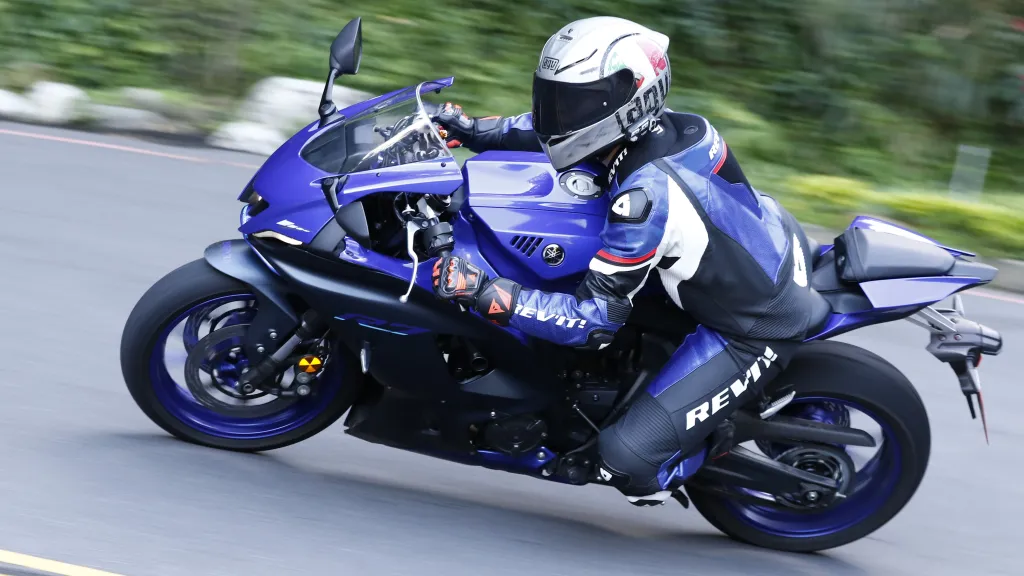
Optimizing performance and achieving emissions compliance represent distinct goals in automotive testing, leading to different approaches for motorcycles and new cars. Motorcycle exhaust dyno testing vs. new car performance testing highlights this contrast. While new car testing adheres to standardized procedures focusing on fuel efficiency and emissions under regulated driving cycles, motorcycle exhaust dyno testing prioritizes fine-tuning exhaust systems for maximum power and optimal sound, employing precise measurements of power and torque curves under controlled conditions. This exploration examines the crucial role of dyno testing in achieving these contrasting objectives.
You may also refer to 機車燈光系統改裝教學:高效提升夜間安全與美觀的完整攻略
- Dyno Testing: Key Differences
- Exhaust Tuning: Key Differences
- Dyno vs. Standardized Testing: A Comparison
- Dyno vs. Car Testing: A Deeper Dive
- Motorcycle exhaust dyno testing vs. new car performance testing Conclusion
- Motorcycle exhaust dyno testing vs. new car performance testing Quick FAQ
Dyno Testing: Key Differences
While both motorcycle and new car testing utilize dynamometers (dynos) to measure power and performance, the approaches and objectives diverge significantly. Understanding these differences is crucial for enthusiasts and tuners alike. Motorcycle exhaust dyno testing, for example, focuses on optimizing individual components, primarily the exhaust system, for maximum power output and desirable sound characteristics. This often involves iterative adjustments to the exhaust’s design—changes in pipe diameter, muffler configuration, or catalytic converter placement—to achieve specific power curves and engine note. This contrasts sharply with new car performance testing, which adheres to standardized procedures aiming for broader metrics.
Here’s a breakdown of the key differences in dyno testing methodologies:
- Goal: Motorcycle dyno testing primarily aims for peak power and torque optimization and sound character, while new car testing emphasizes fuel efficiency, emissions compliance, and overall performance under regulated driving cycles.
- Methodology: Motorcycle testing allows for much greater flexibility in modifying components and conducting repeated runs to fine-tune the exhaust system. New car testing follows strict, standardized protocols, limiting modifications to ensure consistent and repeatable results for certification purposes.
- Measurements: While both measure power and torque, motorcycle testing often prioritizes detailed analysis of the power curve throughout the engine’s RPM range. New car testing focuses on broader performance metrics across regulated driving cycles (e.g., EPA city and highway cycles) and emissions readings.
- Data Interpretation: Motorcycle dyno data is interpreted to guide specific component modifications. New car testing data serves to validate compliance with emission regulations and assess overall vehicle performance relative to regulatory standards.
These fundamental differences reflect the distinct goals of each testing type. Motorcycle enthusiasts prioritize maximizing power and achieving a specific sound, while car manufacturers prioritize meeting regulatory requirements and demonstrating overall vehicle performance according to standardized tests.
Exhaust Tuning: Key Differences
While both motorcycle and car exhaust systems impact performance and emissions, the approaches to tuning differ significantly. Motorcycle exhaust tuning, often performed on a dyno, prioritizes maximizing power and achieving a desired sound profile. This involves iterative adjustments to exhaust components like headers, mufflers, and catalytic converters, directly measuring the impact on horsepower and torque curves. The focus is on optimizing the engine’s breathing, potentially sacrificing some emissions compliance for increased performance. Conversely, new car exhaust tuning is heavily constrained by regulatory requirements for emissions (like EPA standards). The goal is to meet stringent emission limits while maintaining acceptable fuel economy and performance within specific driving cycles. Fine-tuning individual components for maximum power output is secondary to compliance.
- Motorcycle Exhaust Tuning:
- Focus: Maximize power and tailor sound
- Methodology: Iterative dyno testing and component adjustments
- Outcome: Optimized power and torque curves, specific sound characteristics
- Emissions: Often a secondary consideration
- New Car Exhaust Tuning:
- Focus: Meet stringent emission standards and fuel economy targets
- Methodology: Standardized testing procedures and simulations
- Outcome: Compliance with regulations, acceptable performance within specified parameters
- Emissions: Primary concern
Understanding these fundamental differences is crucial for both motorcycle enthusiasts seeking performance gains and those involved in the development and testing of new vehicles. The methodologies, goals, and priorities are vastly different, even though both involve modifying and optimizing the exhaust system.
Dyno vs. Standardized Testing: A Comparison
Understanding the fundamental differences between dyno testing and standardized vehicle testing is crucial for both motorcycle enthusiasts and car performance tuners. Dyno testing, often used for motorcycles, focuses on precise, iterative adjustments to optimize individual components. This means power and torque curves are meticulously measured and analyzed to achieve peak performance, often with an emphasis on exhaust system modifications for enhanced power and sound. The goal is performance enhancement, not necessarily emissions compliance or fuel economy.
Conversely, standardized testing, as employed in new car evaluations (like those meeting EPA regulations), follows strictly defined procedures. These procedures aren’t focused on maximizing individual component performance but rather on assessing overall vehicle performance across a range of metrics. These metrics are weighted to balance performance with fuel efficiency and emissions compliance. The tests employ predefined driving cycles simulating real-world conditions, aiming to provide consumers with comparable data.
- Consistency: Standardized testing ensures consistent results across different vehicles.
- Regulation Compliance: It is essential for meeting governmental emission and fuel economy standards.
- Consumer Information: Provides standardized data for consumers to compare vehicles.
Therefore, while both approaches involve measuring vehicle performance, their methodologies and objectives differ significantly. Dyno testing offers a granular view, ideal for fine-tuning individual components to maximize their potential. Standardized testing offers a broader, regulated perspective, emphasizing consistent evaluation across vehicles and adherence to environmental regulations. Understanding this distinction allows for a more informed approach to both performance tuning and vehicle assessment.
“`html
| Feature | Dyno Testing | Standardized Testing |
|---|---|---|
| Primary Focus | Performance Enhancement | Overall Vehicle Performance, Fuel Efficiency, & Emissions Compliance |
| Methodology | Precise, iterative adjustments; meticulous measurement of power and torque curves; often focuses on exhaust system modifications. | Strictly defined procedures; predefined driving cycles simulating real-world conditions; assessment across a range of metrics. |
| Goal | Maximize individual component potential | Consistent results across vehicles; meet governmental standards; provide comparable consumer data |
| Key Metrics | Power, Torque | Fuel efficiency, Emissions, Performance across predefined cycles |
| Emphasis | Exhaust system modifications, performance enhancement | Fuel efficiency, emissions compliance, Consistency |
| Application | Motorcycle enthusiasts, car performance tuners | New car evaluations (e.g., EPA regulations) |
“`
Dyno vs. Car Testing: A Deeper Dive
Understanding the fundamental differences between motorcycle exhaust dyno testing and new car performance testing requires a deeper look at the underlying methodologies and objectives. While both involve measuring power and emissions, the approaches are vastly different. Motorcycle dyno testing, frequently employed by enthusiasts and tuners, focuses on optimizing individual components—primarily the exhaust system—for maximum power and a desirable sound. This often involves iterative adjustments, carefully monitoring power curves and torque outputs to achieve the desired results. The process is highly individualized, tailored to the specific motorcycle and the tuner’s goals. In contrast, new car testing adheres to strict standardized procedures set by regulatory bodies. These tests prioritize fuel economy, emissions compliance (meeting stringent EPA or equivalent standards), and overall vehicle performance under prescribed driving cycles. The focus is on the overall vehicle performance, rather than fine-tuning specific parts like exhaust systems.
Consider these key distinctions:
- Goal: Motorcycle dyno testing aims for peak power and tailored sound; new car testing emphasizes fuel efficiency, emissions compliance, and overall performance within regulatory limits.
- Methodology: Motorcycle dyno testing is iterative and highly customized; new car testing follows standardized procedures and driving cycles.
- Focus: Motorcycle dyno testing often concentrates on single components (exhaust system); new car testing assesses the integrated performance of the entire vehicle system.
- Data analysis: Motorcycle dyno testing analyzes precise power and torque curves; new car testing focuses on overall metrics like fuel consumption, emissions levels, and acceleration times under specific conditions.
This contrast highlights the distinct purposes and approaches of each testing method. While both use dynamometers, their applications and interpretations differ significantly, reflecting the different priorities of motorcycle enthusiasts and automotive manufacturers.
Motorcycle exhaust dyno testing vs. new car performance testing Conclusion
In conclusion, Motorcycle exhaust dyno testing vs. new car performance testing reveals a fundamental dichotomy in automotive testing methodologies. While both utilize dynamometers to assess performance, their objectives, methodologies, and data interpretation differ significantly. Motorcycle exhaust dyno testing prioritizes maximizing power and achieving a specific sound profile through iterative adjustments and detailed analysis of power curves. This contrasts sharply with new car testing, which adheres to standardized procedures focused on fuel efficiency, emissions compliance, and overall performance metrics under regulated driving cycles. The core difference lies in the emphasis: individual component optimization versus overall vehicle performance within regulatory frameworks.
Understanding this distinction is crucial for both motorcycle enthusiasts and those involved in the development and regulation of new vehicles. Motorcycle exhaust dyno testing provides a granular approach for fine-tuning individual components, allowing for significant performance gains tailored to specific preferences. Conversely, standardized new car testing provides consistent and comparable data for consumers and ensures compliance with environmental regulations. Both methodologies play vital roles in their respective contexts, contributing to the advancement and enjoyment of the automotive world.
Ultimately, Motorcycle exhaust dyno testing vs. new car performance testing showcases how diverse testing approaches cater to distinct needs and goals within the automotive sector. Whether you are aiming for maximum horsepower from a modified motorcycle exhaust or evaluating a new car’s compliance with stringent emission standards, understanding these differences is key to achieving your objectives.
Motorcycle exhaust dyno testing vs. new car performance testing Quick FAQ
What is the primary difference between motorcycle exhaust dyno testing and new car performance testing?
The core difference lies in the objectives. Motorcycle exhaust dyno testing prioritizes maximizing power and achieving a specific exhaust note through iterative adjustments to the exhaust system. New car performance testing, conversely, focuses on meeting regulatory requirements for fuel efficiency and emissions compliance under standardized driving cycles. While both use dynamometers to measure power, their goals and methodologies are vastly different.
Why are the methodologies so different for motorcycle and new car exhaust tuning?
The differing methodologies stem from the distinct goals. Motorcycle exhaust tuning allows for significant flexibility in modifying components to optimize performance, often at the expense of strict emissions compliance. New car exhaust tuning, however, is heavily constrained by stringent emission regulations (like EPA standards). The priority is meeting these regulations, while maintaining acceptable fuel economy and overall performance, rather than maximizing power through extensive component modifications.
Can data from motorcycle dyno testing be directly compared to data from standardized new car testing?
No, the data isn’t directly comparable. Motorcycle dyno testing provides highly detailed, component-specific data focused on power and torque curves at various RPMs. Standardized new car testing, conversely, yields broader metrics reflecting overall vehicle performance, fuel efficiency, and emissions compliance under specific, regulated driving cycles. The different methodologies and objectives make direct comparison meaningless.