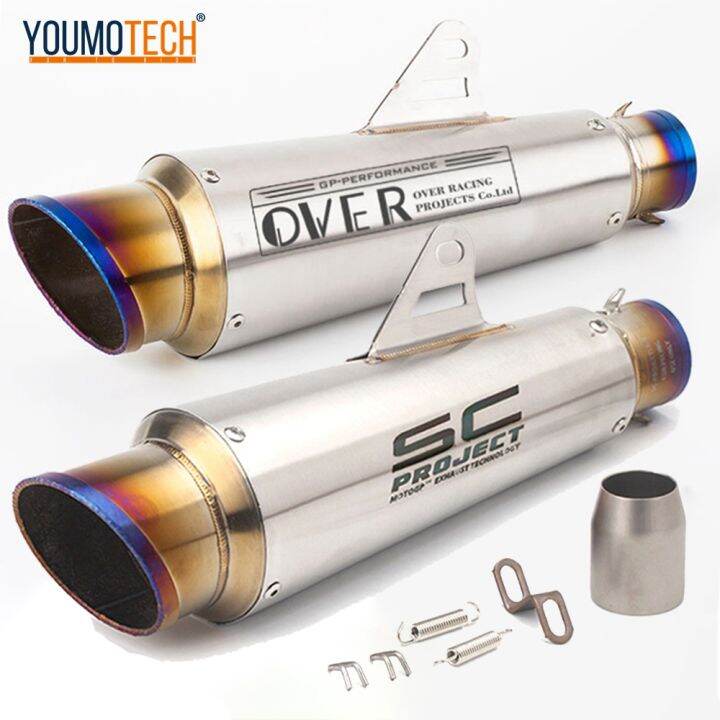
This guide delves into the world of performance exhausts, offering a detailed comparison of leading brands in both motorcycle and car applications. We’ll examine key differences in design, materials, and performance characteristics between top manufacturers, exploring what sets apart the best motorcycle exhaust system brand comparisons vs. new car exhaust brands. Our analysis will cover leading brands specializing in both motorcycle exhaust systems and new car exhaust components, helping you make an informed decision when upgrading your vehicle.
You may also refer to 新款電動汽車市場分析:2024購車完整指南與選購秘訣
- Brand Showdown: Motorcycle vs. Car Exhausts
- Top Brands Compared: Motorcycle vs. Car
- Exhaust Brand Showdown: A Deeper Dive
- Exhaust Brand Face-Off: A Closer Look
- Motorcycle Exhaust System Brand Comparisons vs. New Car Exhaust Brands Conclusion
- Motorcycle exhaust system brand comparisons vs. new car exhaust brands Quick FAQ
Brand Showdown: Motorcycle vs. Car Exhausts
This section dives into the fundamental differences between motorcycle and car exhaust systems, laying the groundwork for our brand-specific comparisons later. Understanding these core distinctions is crucial for enthusiasts looking to upgrade their vehicles. Performance goals often differ significantly. Motorcycle exhausts prioritize a high power-to-weight ratio, frequently using lightweight materials like titanium or carbon fiber to achieve this. This contrasts with car exhausts, where factors like longevity, noise regulations, and emission compliance often play a more significant role. The design complexities also differ; motorcycle exhaust systems are typically simpler, often consisting of a header, muffler, and sometimes a catalytic converter. Car exhausts, on the other hand, are often more elaborate, incorporating multiple catalytic converters, resonators, and intricate piping configurations to meet stringent emissions standards.
Let’s examine some key differences in more detail:
- Material Choices: Motorcycle exhausts frequently feature titanium and carbon fiber for their lightweight properties, while car exhausts commonly utilize stainless steel for durability and cost-effectiveness. The choice of material significantly impacts both performance and the overall sound.
- Design and Layout: Motorcycle exhausts tend to be more compact and streamlined due to space constraints. Car exhaust systems, however, can incorporate longer, more complex routing to manage backpressure and noise effectively.
- Noise Regulations: The regulatory landscape significantly impacts the design of both types of systems. While both are subject to noise restrictions, motorcycle exhausts are generally allowed to be louder than their car counterparts.
- Emission Standards: Modern car exhaust systems must meet stringent emission standards, incorporating multiple catalytic converters and sophisticated exhaust gas recirculation (EGR) systems. Motorcycle exhausts typically have less stringent emissions requirements, which allows for simpler designs.
These foundational differences influence the performance characteristics, sound profiles, and ultimately the overall value proposition of different exhaust brands in both the motorcycle and car markets. The following sections will explore specific brands and their approaches within these contexts.
Top Brands Compared: Motorcycle vs. Car
This section focuses on a direct comparison of leading brands in both motorcycle and car exhaust systems, analyzing their strengths and weaknesses to help enthusiasts make informed decisions. We’ll explore how design choices impact performance and sound, highlighting key differences in material selection and manufacturing processes. Remember, the best exhaust for you depends heavily on your specific needs and vehicle type.
Let’s examine some top contenders:
- Motorcycle Exhausts: Brands like Akrapovič are renowned for their lightweight titanium systems offering significant performance gains and a distinctive, aggressive sound. Yoshimura provides a wider range of options, catering to various riding styles and budgets, often balancing performance increases with a more manageable sound profile. Arrow often represents a good balance between price and quality, offering durable systems with noticeable performance improvements. The choice between these (and others) often hinges on the specific motorcycle model and the rider’s priorities (e.g., maximum power vs. street-legal sound levels).
- Car Exhausts: In the car world, Borla is known for its high-quality stainless steel construction and excellent craftsmanship, often resulting in a powerful yet refined sound. Flowmaster stands out with its wide selection of mufflers and exhaust systems catering to different sound preferences, ranging from deep rumbles to aggressive roars. Magnaflow often strikes a balance between performance gains, sound quality, and affordability, producing systems that are both effective and durable. Performance considerations, such as back pressure and flow characteristics, are critical when choosing a car exhaust, and the optimal choice depends on the vehicle’s engine and the driver’s goals.
This is not an exhaustive list, and many other reputable brands exist. However, this provides a starting point for understanding the key players and their distinctive approaches to exhaust system design and performance. Further research specific to your vehicle model is highly recommended.
Exhaust Brand Showdown: A Deeper Dive
Now that we’ve established some foundational differences between motorcycle and car exhaust systems and highlighted some leading brands in each category, let’s delve deeper into the specifics. This section will focus on the nuances of material selection, design features, and their impact on performance and sound. Understanding these factors is crucial for making an informed decision when upgrading your vehicle’s exhaust.
Material Science: The choice of material significantly impacts both the performance and longevity of an exhaust system. For instance, stainless steel is a popular choice across many brands due to its corrosion resistance and high-temperature tolerance. However, the specific grade of stainless steel varies between manufacturers, leading to differences in durability and weight. Some manufacturers incorporate titanium alloys for superior strength-to-weight ratios, particularly advantageous in motorcycle exhausts where weight reduction can enhance handling. Alternatively, some car exhaust manufacturers might use aluminum for its lightweight properties, although its susceptibility to corrosion necessitates higher-quality coatings and stricter manufacturing processes.
Design Considerations: Exhaust design is equally important and has a direct impact on sound and performance. Chamber design, for instance, significantly affects the overall exhaust note. Some manufacturers prioritize a deep, throaty rumble, while others focus on a more aggressive, high-pitched tone. The pipe diameter and length play a crucial role in backpressure management, influencing horsepower and torque output. Catalytic converter placement and design (especially relevant for car exhausts) are also critical factors that influence emissions compliance and performance. Motorcycle exhausts often have fewer restrictions and a more straightforward design, leading to variations in performance characteristics.
Let’s examine some key differences in design philosophies:
- Slip-on vs. Full Systems: Motorcycle exhaust manufacturers often offer both slip-on mufflers (a relatively straightforward replacement) and full systems (replacing the entire exhaust system), offering a broader range of performance gains and sound customization options. Car exhausts typically offer similar options, although full system replacements often involve more complex installation procedures and cost considerations.
- Resonators and Baffles: The incorporation of resonators and baffles influences sound dampening and contributes to the overall exhaust note. Higher-quality systems often utilize advanced designs to minimize drone at specific RPMs while maximizing the desired sound characteristics.
“`html
| Feature | Material Considerations | Design Considerations |
|---|---|---|
| Materials |
|
|
| System Types (Motorcycle & Car) | N/A |
|
“`
Exhaust Brand Face-Off: A Closer Look
Let’s delve deeper into the specifics of what sets apart the leading exhaust brands. This analysis focuses on the nuances of design and material choices, directly impacting performance and sound. Understanding these differences is crucial for making an informed decision when upgrading your vehicle’s exhaust system.
Material Matters: The Impact on Performance
The material used significantly influences both the performance and the lifespan of an exhaust system. For example, stainless steel is a popular choice for its durability and corrosion resistance, offering a good balance between performance and longevity. Titanium, while significantly more expensive, provides superior weight reduction, leading to enhanced performance, particularly in motorcycles where weight is a critical factor. This choice often influences pricing, impacting the overall cost-benefit analysis for the enthusiast. Choosing the right material is directly linked to the desired performance characteristics and budget.
Design Differences: Beyond the Looks
The design of an exhaust system extends beyond mere aesthetics. Factors such as pipe diameter, muffler design, and the presence of resonators profoundly impact back pressure, flow characteristics, and ultimately, power output and sound. Some brands prioritize straight-through designs for maximum flow and aggressive sound, while others incorporate more complex configurations for optimized performance across a wider RPM range. The design philosophy of each brand often reflects its target market and intended application – from high-performance racing to everyday street riding.
Consider these points when comparing brands:
- Back pressure management: How effectively does the design reduce restrictive back pressure?
- Sound profile: Does the exhaust’s sound align with personal preference?
- Durability and longevity: What is the expected lifespan based on material and design?
- Weight considerations: How much weight does the exhaust add or subtract (particularly relevant for motorcycles)?
A careful assessment of these aspects is crucial for selecting the best exhaust system to meet individual needs and preferences, considering both motorcycle and car applications.
Motorcycle Exhaust System Brand Comparisons vs. New Car Exhaust Brands Conclusion
Choosing the right exhaust system is a crucial decision for any vehicle enthusiast, impacting both performance and the overall driving or riding experience. This guide, focusing on Motorcycle exhaust system brand comparisons vs. new car exhaust brands, has explored the key differences between motorcycle and car exhaust systems, highlighting the unique challenges and opportunities presented by each. We’ve examined leading brands, delving into their design philosophies, material choices, and how these factors influence performance and sound.
From the lightweight titanium systems favored by motorcycle brands like Akrapovič to the durable stainless steel constructions preferred by car exhaust manufacturers such as Borla, the choices are vast and varied. Understanding the nuances of material science, design considerations, and the impact of factors like back pressure and resonator placement is critical for making an informed decision.
Key Takeaways from our Motorcycle Exhaust System Brand Comparisons vs. New Car Exhaust Brands Guide:
- Motorcycle exhausts prioritize lightweight materials and high power-to-weight ratios, often at the expense of noise reduction and emission control.
- Car exhausts face stricter regulations regarding emissions and noise, leading to more complex designs and the use of materials like stainless steel for durability.
- Brands like Akrapovič, Yoshimura, and Arrow dominate the motorcycle exhaust market, each offering a unique balance of performance, sound, and price.
- Car exhaust brands such as Borla, Flowmaster, and Magnaflow cater to a wider range of preferences, balancing performance, sound, and affordability.
- The ultimate choice depends on individual needs and priorities – whether it’s maximizing horsepower, achieving a specific sound profile, or staying within a particular budget.
Remember that thorough research tailored to your specific vehicle model is essential. Consult reviews, compare specifications, and consider factors like installation complexity and long-term maintenance before making your final decision. By carefully weighing these considerations, you can choose an exhaust system that optimizes your vehicle’s performance and enhances your driving or riding experience.
This Motorcycle exhaust system brand comparisons vs. new car exhaust brands guide serves as a starting point for your research. Happy upgrading!
Motorcycle exhaust system brand comparisons vs. new car exhaust brands Quick FAQ
What are the main differences between motorcycle and car exhaust systems?
Motorcycle exhaust systems prioritize a high power-to-weight ratio, often using lightweight materials like titanium or carbon fiber. They tend to be simpler in design, with less stringent emission requirements and generally higher allowable noise levels. Car exhaust systems, conversely, emphasize durability, emission compliance, and noise reduction, often employing stainless steel and incorporating multiple catalytic converters and resonators for complex emission control. Design complexity and regulatory requirements greatly differ between the two.
Which exhaust brands are considered top-tier for motorcycles and cars, respectively?
For motorcycles, brands like Akrapovič (known for lightweight titanium systems and aggressive sound), Yoshimura (offering a wider range of options for various riding styles), and Arrow (providing a balance of price and quality) are frequently cited. In the car world, Borla (renowned for high-quality stainless steel and refined sound), Flowmaster (offering a wide selection catering to diverse sound preferences), and Magnaflow (balancing performance, sound, and affordability) are popular choices. The “best” brand ultimately depends on individual needs and vehicle specifics.
What factors should I consider when choosing between different exhaust brands?
Key considerations include material selection (stainless steel, titanium, aluminum, etc., impacting weight, durability, and cost), design features (pipe diameter, muffler design, resonator placement affecting back pressure, flow, and sound), noise levels (considering legal restrictions and personal preferences), and overall performance gains (horsepower and torque increases). You should also carefully evaluate the brand’s reputation for quality, customer service, and warranty support before making a purchase.