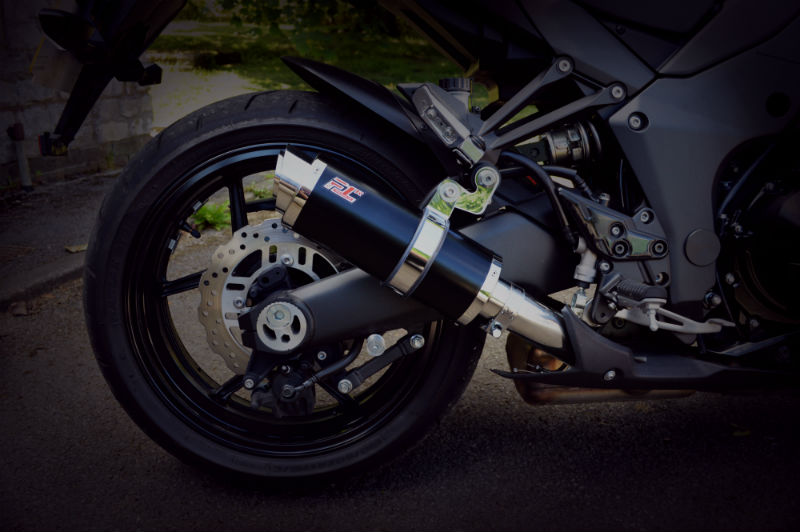
Optimizing exhaust system weight offers significant performance and fuel efficiency benefits, but the approach varies considerably between motorcycles and cars. Motorcycle exhaust system weight reduction vs. new car exhaust weight considerations highlights this disparity. While weight savings in both improve performance, the impact on handling and acceleration is far more pronounced in motorcycles due to their inherently lower mass. This introduction examines the effects of exhaust system weight on vehicle dynamics in motorcycles versus cars, analyzing the trade-offs between performance gains, cost, and durability for each.
You may also refer to 重型機車長途旅行準備指南:高效路線規劃、行李固定與機車檢查必學攻略
- Weight Savings: Bikes vs. Cars
- Material Choices: Bikes vs. Cars
- Design Trade-offs: Bikes vs. Cars
- Exhaust Impact: Bikes vs. Cars
- Motorcycle exhaust system weight reduction vs. new car exhaust weight considerations Conclusion
- Motorcycle exhaust system weight reduction vs. new car exhaust weight considerations Quick FAQ
Weight Savings: Bikes vs. Cars
Achieving significant weight savings in exhaust systems offers substantial performance and fuel efficiency benefits, but the approach and impact vary considerably between motorcycles and cars. This difference stems from the fundamental disparity in overall vehicle mass.
For motorcycles, even seemingly minor weight savings translate into noticeable improvements in handling and acceleration. Because motorcycles are inherently lightweight vehicles, a reduction of even a few pounds in the exhaust system can significantly alter the power-to-weight ratio, leading to quicker acceleration, improved agility, and enhanced braking performance. Consider these key factors:
- Enhanced acceleration: Reduced unsprung mass directly improves acceleration.
- Improved handling: Lower weight contributes to better responsiveness and maneuverability.
- Increased fuel efficiency: Lighter components reduce the energy required for movement.
In contrast, cars benefit from exhaust weight savings, but the effects are less proportionally dramatic due to their considerably higher overall mass. While weight reduction always improves performance and fuel economy, the impact is less pronounced compared to motorcycles. The focus shifts more towards optimizing other factors like packaging, cost, and durability. Key considerations for cars include:
- Overall performance enhancement: While less impactful than on motorcycles, weight reduction still improves acceleration and handling.
- Improved fuel efficiency: Reduced weight leads to better fuel economy, even if the percentage gain is smaller.
- Cost-effectiveness: Balancing weight reduction with manufacturing costs is crucial for car applications.
Therefore, the strategies for optimizing exhaust weight savings differ greatly, requiring a nuanced approach that takes into account the specific performance goals, cost constraints, and durability requirements of each vehicle type. Lightweight materials and innovative designs play crucial roles in both motorcycle and car exhaust systems, but their implementation varies greatly depending on the specific application and intended benefits.
Material Choices: Bikes vs. Cars
The quest for lighter exhaust systems inevitably leads to a discussion of material choices, and this is where the differences between motorcycles and cars become strikingly apparent. The constraints and priorities vary significantly, impacting the selection of materials.
For motorcycles, the emphasis is on achieving maximum weight reduction without compromising durability or compromising the overall structural integrity of the exhaust system. This often favors the use of:
- Titanium: While expensive, titanium offers an exceptional strength-to-weight ratio, making it ideal for performance-oriented motorcycles where even minor weight savings translate to noticeable performance gains in acceleration and handling. The high cost is often justifiable for high-end models.
- Stainless Steel: A more cost-effective alternative to titanium, stainless steel provides a good balance between weight, strength, and corrosion resistance. Many manufacturers opt for stainless steel for its superior durability compared to other lightweight options.
- Aluminum Alloys: Aluminum alloys can provide significant weight savings compared to steel, but their susceptibility to damage and corrosion requires careful design considerations, particularly in terms of exhaust gas temperatures and potential impacts.
In contrast, cars, due to their significantly higher overall mass, can tolerate slightly heavier exhaust systems while still achieving meaningful weight reduction. This allows for a broader range of material options, focusing on cost-effectiveness and manufacturing feasibility along with durability:
- Mild Steel: This remains the most common material due to its low cost, readily available processing methods, and adequate durability for most applications. Advanced manufacturing techniques can minimize weight while maintaining structural integrity.
- High-Strength Steel: For more demanding applications or where weight reduction is a higher priority, high-strength steels offer improved strength-to-weight ratios compared to mild steel, allowing for thinner wall sections without compromising durability.
- Aluminum Alloys (Specific Applications): While less common than in motorcycles, aluminum alloys may find applications in specific car exhaust components, particularly where high temperatures are not a significant concern, such as sections of the exhaust further from the engine.
The choice of material is thus a careful balance between the performance benefits of weight reduction, the cost implications of different materials, and the durability requirements needed for reliable service life. The optimal choice differs significantly based on vehicle type and target market.
Design Trade-offs: Bikes vs. Cars
Optimizing exhaust system weight necessitates careful consideration of design trade-offs, which vary significantly between motorcycles and cars. For motorcycles, the pursuit of extreme weight reduction often leads to compromises in durability and noise control. A lighter exhaust system might achieve better acceleration and handling, boosting performance, but it could also be more susceptible to damage from impacts or vibrations, increasing the overall cost of ownership. This trade-off is less pronounced in cars, where the impact of minor weight savings on overall vehicle performance is smaller. However, the cost and complexity of manufacturing an ultra-lightweight exhaust system for cars might not be justifiable considering the relatively smaller gains in fuel efficiency.
Here’s a breakdown of the key design considerations:
- Motorcycle Exhaust Design: Lightweight materials like titanium or carbon fiber are favored, even though their higher cost is acceptable due to the significant handling improvements from weight reduction. However, these materials may require more complex and expensive manufacturing processes, impacting the overall cost. The design needs to account for increased susceptibility to damage from road debris and impact.
- Car Exhaust Design: While lightweight materials are also used in car exhausts to improve fuel efficiency, the cost-benefit analysis is different. Steel remains a common and cost-effective material, especially for larger vehicles. The design focus might lean toward durability and noise reduction, balancing weight reduction with these crucial factors. Innovative designs integrating lightweight materials in specific sections of the exhaust system (like the tailpipe) to achieve targeted weight reduction and cost savings are often preferable.
Ultimately, the optimal design hinges on a careful balancing act between achieving significant weight reduction, maintaining structural integrity and durability, managing manufacturing costs, and complying with noise regulations – all of which differ significantly between motorcycles and cars.
“`html
| Feature | Motorcycle Exhaust | Car Exhaust |
|---|---|---|
| Primary Design Goal | Extreme Weight Reduction | Balance of Weight Reduction, Durability, and Noise Control |
| Materials | Lightweight materials (Titanium, Carbon Fiber); Higher cost acceptable due to performance gains. | Steel (common and cost-effective), with potential integration of lightweight materials in specific sections. |
| Manufacturing Complexity | More complex and expensive due to material choice. | Relatively less complex, cost-effective for steel options. |
| Durability | Increased susceptibility to damage from impacts and vibrations. | Higher durability prioritized. |
| Cost Considerations | Higher initial cost due to materials and manufacturing; potential for higher long-term costs due to damage. | Lower initial cost; cost-benefit analysis crucial for material selection. |
| Performance Impact | Significant performance gains from weight reduction (acceleration, handling). | Smaller performance gains from weight reduction. |
| Noise Control | Compromised due to lightweight material choices. | Significant consideration given to noise reduction. |
“`
Exhaust Impact: Bikes vs. Cars
The impact of exhaust weight reduction varies significantly between motorcycles and cars, primarily due to their different mass and performance characteristics. In motorcycles, even a seemingly small weight reduction in the exhaust system can translate into a noticeable improvement in acceleration, handling, and overall agility. This is because motorcycles have a much lower overall mass compared to cars; therefore, the percentage weight reduction in the exhaust system has a more significant impact on the bike’s overall performance.
For cars, while weight reduction in the exhaust offers benefits in fuel efficiency and performance, the impact is less pronounced proportionally. The higher overall mass of a car means that even substantial exhaust weight savings might lead to more subtle improvements in acceleration and handling. However, the reduction in unsprung mass, specifically the weight of the exhaust system, can offer improved ride quality and handling response, particularly over uneven surfaces. This is due to the reduced inertia acting on the suspension, reducing vibrations and allowing for better tire contact.
To illustrate this difference: A 1kg reduction in a motorcycle’s exhaust system could lead to a noticeable improvement in acceleration and handling, whereas the same 1kg reduction in a car’s exhaust might only yield marginal gains in these aspects. The fuel efficiency benefits, however, are present in both scenarios but more impactful proportionally for the motorcycle due to its lower overall weight. Careful consideration must be given to the targeted performance benefits and cost implications when designing lightweight exhaust systems for both vehicles.
Let’s summarize the key differences in impact:
- Motorcycles: Significant improvements in acceleration, handling, and agility even with modest weight savings.
- Cars: More subtle improvements in acceleration and handling, but noticeable gains in fuel efficiency and ride quality due to reduced unsprung mass.
Motorcycle exhaust system weight reduction vs. new car exhaust weight considerations Conclusion
In conclusion, Motorcycle exhaust system weight reduction vs. new car exhaust weight considerations reveals a fascinating disparity in approach and impact. While both motorcycles and cars benefit from lighter exhaust systems, the magnitude of those benefits and the strategies for achieving them differ significantly. The inherent lightweight nature of motorcycles amplifies the impact of even minor weight reductions, resulting in tangible improvements in acceleration, handling, and agility. The focus is often on premium, lightweight materials such as titanium, even at a higher cost, to maximize performance gains.
Conversely, cars, with their substantially greater mass, experience less dramatic proportional improvements from exhaust weight reduction. The emphasis here shifts towards balancing weight savings with cost-effectiveness and manufacturing feasibility. Mild steel and high-strength steel remain prevalent choices, with aluminum alloys finding niche applications. The design priorities often center on durability, noise reduction, and efficient manufacturing processes rather than solely on achieving the lightest possible system.
Ultimately, the optimal strategy for exhaust weight optimization hinges on a careful consideration of the specific vehicle type, its performance goals, cost constraints, and the desired balance between weight reduction, durability, and manufacturing practicality. Understanding these nuances is crucial for engineers and designers seeking to create high-performing, fuel-efficient vehicles across the automotive spectrum. The key takeaway from this analysis of Motorcycle exhaust system weight reduction vs. new car exhaust weight considerations is that a one-size-fits-all approach is simply not effective; a tailored solution is required for each application to maximize benefits and minimize drawbacks.
Motorcycle exhaust system weight reduction vs. new car exhaust weight considerations Quick FAQ
What are the most significant benefits of reducing exhaust system weight in motorcycles versus cars?
In motorcycles, even small weight reductions dramatically improve acceleration, handling, and fuel efficiency due to the bike’s inherently low overall mass. A few pounds saved can make a substantial difference in performance. For cars, the benefits are still present—improved fuel economy and slightly better acceleration and handling—but the proportional impact is less noticeable because cars are much heavier. The reduction in unsprung mass also leads to a better ride in cars.
What materials are typically used for lightweight exhaust systems in motorcycles and cars, and why?
Motorcycles often utilize expensive but lightweight materials like titanium for maximum performance gains, or stainless steel for a balance of cost and durability. Aluminum alloys are also considered but have limitations in terms of corrosion and heat resistance. Cars commonly use mild steel due to its cost-effectiveness and adequate durability. High-strength steel offers a better strength-to-weight ratio when weight reduction is a higher priority. Aluminum alloys might be used in specific car exhaust components where temperatures are lower.
How do design considerations differ when optimizing exhaust weight for motorcycles versus cars?
Motorcycle exhaust design often prioritizes extreme weight reduction, even at the cost of higher manufacturing complexity and potential durability compromises. The impact of weight savings is substantial, justifying the higher cost. Car exhaust design balances weight reduction with cost, durability, and noise reduction. While lightweight materials are incorporated, they are often applied strategically to specific sections, optimizing the cost-benefit ratio. The overall impact of weight reduction on performance is less dramatic for cars, making this a more nuanced design challenge.