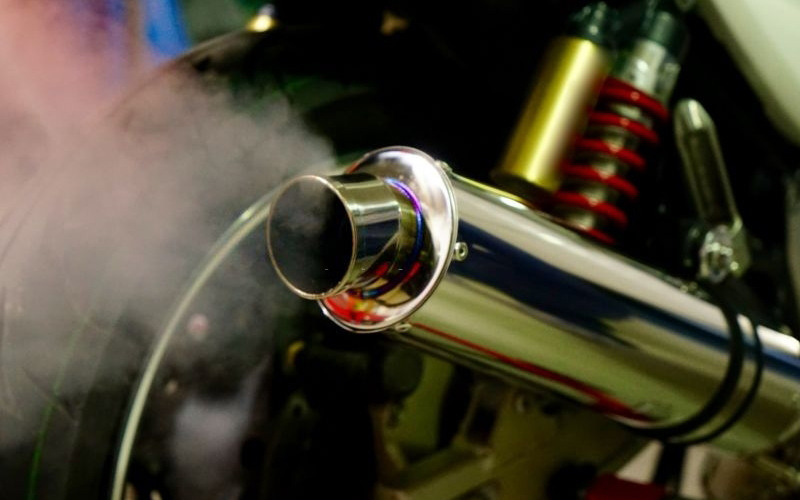
This guide addresses the complexities surrounding excessive vehicle exhaust noise, focusing on the key differences between common complaints regarding modified motorcycle exhausts and issues with newer car exhaust systems. We’ll examine the distinct acoustic characteristics of each, exploring how subjective perceptions of loudness often clash with objective noise measurements (decibel levels and frequency analysis). This analysis will help clarify the sources of noise pollution, facilitate a better understanding of regulatory standards, and ultimately inform strategies for reducing noise pollution without sacrificing performance.
You may also refer to 《機車防盜系統安裝與選購指南:有效降低機車被竊風險的最佳防盜設備評估》
- Exhaust Noise: Bikes vs. Cars
- Noise Complaints: Bikes vs. Cars
- Noise Issue Comparisons: Bikes vs. Cars
- Noise Complaints: Bikes vs. Cars
- Motorcycle Exhaust Noise Complaints vs. New Car Exhaust Noise Issues Conclusion
- Motorcycle exhaust noise complaints vs. new car exhaust noise issues Quick FAQ
- 1. Why are motorcycle exhaust noise complaints often more focused on high-pitched sounds, while car exhaust complaints often center around low-frequency rumble?
- 2. How do objective dB measurements differ from subjective perceptions of exhaust noise, and why is this important for addressing complaints?
- 3. Why do regulatory standards for motorcycle and car exhaust noise often differ, and how does this relate to the types of complaints received?
Exhaust Noise: Bikes vs. Cars
Understanding the differences in exhaust noise between motorcycles and cars is crucial for effective noise pollution control. While both contribute to the overall soundscape, their noise characteristics differ significantly, impacting how we perceive and regulate them. Exhaust Noise: Bikes vs. Cars presents a key area of investigation for acoustical engineers. This comparison is essential for developing targeted solutions, considering that the objective measurement of sound levels using decibels (dB) and frequency analysis doesn’t fully capture the subjective experience of noise.
Let’s delve into the key distinctions:
- Frequency Content: Motorcycle exhausts often produce higher-frequency sounds compared to cars. These higher frequencies can be more penetrating and perceived as more annoying, even at lower overall dB levels. This is a critical factor when comparing objective data (dB readings) with subjective perceptions of noise. Cars, on the other hand, tend to produce a broader range of frequencies, some of which might be less noticeable to the human ear.
- Sound Propagation: The way sound from motorcycle and car exhausts propagates also plays a role. Motorcycles, often smaller and less enclosed than cars, may radiate sound more directly into the surrounding environment. Cars, with their larger bodies, offer some level of sound dampening, although modified exhausts can significantly alter this. Both contribute to the overall exhaust noise.
- Regulatory Standards: Regulatory standards for exhaust noise often vary between motorcycles and cars, reflecting the different sound characteristics and perceived impacts. Understanding these standards is vital for policymakers to create effective noise control measures. The discrepancies also highlight the need for further research into accurate assessment methods that reflect the subjective experience coupled with objective data.
Analyzing these differences allows for a more nuanced understanding of exhaust noise problems, leading to more effective noise reduction strategies for both motorcyclists and car enthusiasts, while also aiding policymakers in creating equitable and practical regulations. This understanding forms the basis for developing solutions that balance performance with noise pollution mitigation.
Noise Complaints: Bikes vs. Cars
Understanding the nuances of noise complaints related to exhaust systems requires differentiating between motorcycles and cars. While both contribute to noise pollution, the nature and frequency of complaints often differ significantly. This stems from several factors, impacting both objective measurements and subjective perceptions.
- Type of Noise: Motorcycle exhaust noise is often characterized by a higher-pitched, more impulsive sound compared to car exhausts, which tend to have a lower frequency rumble. This difference affects how the noise is perceived and its impact on the surrounding environment. Objective data from frequency analysis can clearly show these differences.
- Volume and Duration: Noise complaints about motorcycles often center around the high volume produced by modified exhausts and the extended periods of time some riders maintain these higher decibel levels. Cars, while capable of producing loud exhaust noise, usually generate it for shorter durations during acceleration. This variation in duration contributes to different levels of community disturbance and affects objective dB level measurements.
- Riding Habits and Environment: Motorcyclists often operate their vehicles in closer proximity to residential areas and pedestrians than cars. This proximity exacerbates noise pollution and makes it more noticeable. Therefore, a motorcycle’s exhaust system noise contributes more heavily to noise complaints in certain environments than a car’s, even if the dB levels are similar. This is where careful analysis of objective data combined with contextual factors is crucial.
- Regulatory Focus: Policymakers often direct more regulatory attention towards motorcycle exhaust noise due to the points mentioned above. The perceived annoyance factor, and consequently the number of noise complaints, influences the regulatory standards and enforcement procedures. Objective data on exhaust noise from different vehicle types helps create fair and effective regulations.
Analyzing noise complaints using both objective data and an understanding of the subjective elements offers valuable insights for designing quieter, more acceptable exhaust systems and for creating effective noise pollution policies. The differences highlighted above demonstrate the importance of considering these factors when addressing noise pollution related to both motorcycles and cars.
Noise Issue Comparisons: Bikes vs. Cars
While both motorcycles and cars contribute to noise pollution, the nature and impact of their exhaust noise differ significantly. This section will delve into these key differences, providing objective data to clarify common misconceptions. Understanding these disparities is crucial for developing effective noise reduction strategies tailored to each vehicle type.
One major difference lies in the frequency spectrum of the noise. Motorcycle exhausts often produce higher-frequency sounds, which are perceived as more annoying and penetrating than the lower-frequency rumble of many car exhausts. This is partly due to the smaller engine size and different exhaust system designs.
Objective measurements, such as dB(A) levels (which weight frequencies to match human hearing sensitivity), can quantify this difference, providing a more accurate comparison than subjective descriptions alone. The precise frequency components can be further analyzed using spectrograms, revealing detailed information about the dominant frequencies and their intensity.
Another key area of comparison is the spatial distribution of the sound. Motorcycle exhaust noise is typically more directional, meaning it’s concentrated in a specific area behind the vehicle, whereas car exhaust noise can disperse more broadly. This impacts the noise levels experienced by those nearby and affects the design of effective noise barriers. Furthermore, the pulse nature of motorcycle engine noise—distinct bangs and pops from the exhaust—can contribute to the perception of loudness, and are typically absent in standard car exhausts, further complicating noise complaints.
Finally, we must consider the context of the noise. Motorcycle exhaust modifications often prioritize sound as a performance enhancing feature, amplifying the already high-frequency sounds, resulting in noticeable noise pollution. Car exhaust modifications, while also sometimes aimed at increased sound, often have to navigate stricter regulations and are subject to more comprehensive testing before they are legal for road use. The different levels of regulation directly impact the level of noise pollution caused by each vehicle type. We can use objective acoustic measurements to compare the noise levels of modified and stock exhausts from both motorcycles and cars, directly linking modifications to noise increases.
“`html
| Comparison Point | Motorcycles | Cars |
|---|---|---|
| Frequency Spectrum | Higher frequencies; perceived as more annoying and penetrating | Lower frequencies; often a rumble |
| dB(A) Levels | Can be quantified using objective measurements (dB(A)) and spectrograms | Can be quantified using objective measurements (dB(A)) and spectrograms |
| Spatial Distribution | More directional; concentrated behind the vehicle | More dispersed; broader area affected |
| Pulse Nature | Distinct bangs and pops; contributes to perceived loudness | Generally absent; smoother sound |
| Context & Modifications | Modifications often prioritize loud sound; less regulated | Modifications subject to stricter regulations and testing |
| Objective Acoustic Measurements | Can directly link modifications to noise increases | Can directly link modifications to noise increases |
“`
Noise Complaints: Bikes vs. Cars
While both motorcycles and cars contribute to noise pollution, the nature and frequency of complaints differ significantly. This stems from the inherent differences in their noise generation mechanisms and the environments in which they are typically operated. Objective data, using decibel levels and frequency analysis, can help us understand these discrepancies.
For motorcycles, complaints often center on the high-frequency and intense nature of modified exhaust noise. This is especially true in residential areas or near sensitive environments.
The impulsive nature of motorcycle noise, characterized by sharp bursts of sound, also contributes to the intensity of the complaint. These subjective and objective measures help illustrate the need for better noise control regulations specifically tailored to address the unique acoustic characteristics of motorcycles.
Car noise complaints, on the other hand, tend to focus on low-frequency rumble, especially from modified exhaust systems.
This highlights the importance of considering both the overall sound pressure level (dB) and the frequency spectrum when analyzing noise complaints and developing effective mitigation strategies for both cars and motorcycles. Understanding these differences, both subjectively and objectively, is key to crafting effective noise control policies.
Motorcycle Exhaust Noise Complaints vs. New Car Exhaust Noise Issues Conclusion
This guide has explored the multifaceted issue of excessive vehicle exhaust noise, specifically examining the contrasting characteristics of motorcycle and car exhaust systems and the resulting noise complaints. We’ve seen that Motorcycle exhaust noise complaints vs. new car exhaust noise issues aren’t simply a matter of decibel levels; the frequency content, sound propagation, and even the context of the noise all contribute to how we perceive and react to it.
The analysis reveals crucial differences:
- Frequency: Motorcycles tend to produce higher-frequency sounds, often perceived as more annoying even at lower overall dB levels than lower-frequency car exhaust noise.
- Sound Propagation: Motorcycles radiate sound more directly, while cars offer some sound dampening, although this can be significantly altered by modifications.
- Duration and Context: Motorcycle noise is often characterized by shorter, more intense bursts, while car noise might be more continuous, albeit potentially at lower dB levels. The context of the noise – residential area versus highway – also affects the intensity of complaints.
- Regulatory Approaches: Current regulations may not fully capture the subjective experience of noise, highlighting a need for more nuanced approaches that consider both objective measurements and the perceptual aspects of sound.
Addressing Motorcycle exhaust noise complaints vs. new car exhaust noise issues effectively requires a holistic strategy. This involves:
- Improved Measurement Techniques: Moving beyond simple dB readings to incorporate frequency analysis and perhaps even psychoacoustic models to better represent the subjective experience of noise.
- Targeted Design Improvements: Developing exhaust systems that reduce noise pollution while maintaining performance, paying specific attention to the frequency content and impulse characteristics of the noise.
- Enhanced Regulatory Frameworks: Creating noise regulations that are both effective and equitable, considering the unique acoustic profiles of motorcycles and cars, and reflecting the community’s subjective noise experience.
- Education and Awareness: Educating both motorcyclists and car enthusiasts about the impact of exhaust modifications on noise pollution and promoting responsible modifications.
By understanding the objective data and acknowledging the subjective perceptions related to Motorcycle exhaust noise complaints vs. new car exhaust noise issues, we can pave the way for more effective noise pollution mitigation strategies and a more harmonious soundscape for everyone.
Motorcycle exhaust noise complaints vs. new car exhaust noise issues Quick FAQ
1. Why are motorcycle exhaust noise complaints often more focused on high-pitched sounds, while car exhaust complaints often center around low-frequency rumble?
This difference stems from the inherent acoustic characteristics of the engines and exhaust systems. Motorcycle engines, generally smaller and higher-revving, tend to produce higher-frequency exhaust noise. These higher frequencies are often perceived as more jarring and penetrating than the lower-frequency rumble typical of larger car engines. Modified motorcycle exhausts often amplify these higher frequencies, exacerbating the issue. Car exhausts, on the other hand, even when modified, usually retain a more prominent low-frequency component. The different frequency content directly impacts how the noise is perceived and experienced by individuals.
2. How do objective dB measurements differ from subjective perceptions of exhaust noise, and why is this important for addressing complaints?
While decibel (dB) measurements provide objective data on the overall loudness of exhaust noise, they don’t fully capture the subjective experience. Human perception of sound is complex and influenced by factors beyond just loudness, including frequency content, impulsiveness, duration, and environmental context. A high-pitched, impulsive sound at a lower dB level might be perceived as more annoying than a low-frequency rumble at a higher dB level. Therefore, understanding both the objective dB levels and the subjective perceptions is crucial for effectively addressing noise complaints. It allows for a more nuanced approach to resolving disputes and creating fair and effective noise control policies.
3. Why do regulatory standards for motorcycle and car exhaust noise often differ, and how does this relate to the types of complaints received?
Regulatory standards often reflect the different acoustic characteristics and perceived impacts of motorcycle and car exhaust noise. The higher frequency content and perceived intrusiveness of modified motorcycle exhausts often lead to stricter regulations compared to car exhausts, even if the overall dB levels are similar. The frequency of complaints, focusing on the high-pitched, sharp sounds of motorcycles versus the low-frequency rumble of cars, influences the regulatory focus and enforcement procedures. This highlights the need for tailored approaches to noise control, considering both objective measurements and the subjective experience of noise pollution.