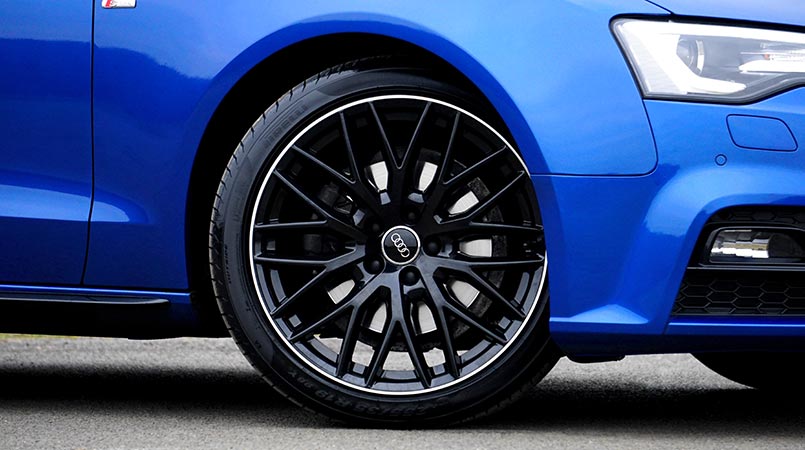
Modifying the exhaust sound of a vehicle is a popular way to personalize its character, but the process differs significantly between motorcycles and cars. This exploration of motorcycle exhaust sound customization vs. new car exhaust personalization reveals the key distinctions. Motorcycles generally offer greater freedom for bolt-on exhaust modifications leading to dramatic sound changes, while car exhaust personalization is often more complex, subject to stricter regulations, and may require extensive modifications such as full system replacements or ECU tuning to achieve comparable results. This difference stems from the relative ease of modification and the regulatory landscape surrounding each vehicle type.
You may also refer to 汽車引擎故障排除常見問題:無法啟動、異響、漏油的超實用指南
- Sound Modification: Bikes vs. Cars
- Legal Aspects: Bike vs. Car Exhausts
- Exhaust Choices: Bikes vs. Cars
- Exhaust Tuning: Bikes vs. Cars
- Motorcycle exhaust sound customization vs. new car exhaust personalization Conclusion
- Motorcycle exhaust sound customization vs. new car exhaust personalization Quick FAQ
Sound Modification: Bikes vs. Cars
The world of exhaust sound modification presents a fascinating dichotomy when comparing motorcycles and cars. For motorcycles, the process is often remarkably straightforward, offering enthusiasts a substantial degree of freedom in personalizing their machines’ soundscapes. This ease stems from the generally simpler exhaust systems found on motorcycles and the wider availability of aftermarket options. Bolt-on replacements are common, allowing for quick and relatively inexpensive alterations to exhaust tone and volume. The relative simplicity of motorcycle exhaust systems significantly impacts both the ease and cost of sound modification. This contrasts sharply with car exhaust systems, making a significant difference in the overall approach.
Cars, on the other hand, present a more complex landscape for exhaust sound modification. Stringent emissions regulations and more intricate exhaust designs, often involving multiple catalytic converters and other emission control components, create significant hurdles. Achieving substantial changes to the exhaust sound on a car typically demands more extensive modifications. This might include complete exhaust system replacements, potentially requiring custom fabrication to ensure proper fitment and functionality. Furthermore, ECU remapping may be necessary to optimize the engine’s performance in conjunction with the new exhaust system, further increasing the complexity and cost. The significant regulatory differences between motorcycles and cars lead to very different levels of difficulty.
Let’s outline the key differences in modifying the sound of each vehicle type:
- Motorcycles: Typically involve simple bolt-on exhaust replacements, offering significant sound changes with minimal complexity. The regulatory environment is generally more lenient.
- Cars: Often require complex modifications such as full exhaust system replacements and ECU remapping to achieve substantial changes in exhaust sound. Stricter emissions regulations pose a significant constraint.
Understanding these fundamental differences is crucial for enthusiasts planning to personalize their vehicle’s sound. The relative ease and regulatory landscape significantly shape the approach and cost associated with exhaust sound modification for both motorcycles and cars.
Legal Aspects: Bike vs. Car Exhausts
Navigating the legal landscape of exhaust modifications is crucial, and the differences between motorcycles and cars are significant. Motorcycle exhaust modifications often face less stringent regulations than their car counterparts. However, this doesn’t mean there are no rules. Many jurisdictions have noise ordinances that limit the decibel level of motorcycle exhausts, particularly in residential areas. Exceeding these limits can lead to fines or even impoundment of the vehicle. Always check your local and state laws before undertaking any modifications to ensure compliance and avoid legal complications. Remember, even seemingly minor changes can push your motorcycle beyond legal sound limits.
Car exhaust modifications, on the other hand, are subject to much stricter scrutiny. Many countries have comprehensive regulations governing exhaust system alterations, particularly concerning emissions and noise pollution. These regulations often dictate allowable decibel levels, emission standards, and even the type of exhaust components allowed. Modifying a car’s exhaust system without adhering to these standards could result in significant penalties, including failure of vehicle inspections, fines, and even legal action. Furthermore, tampering with emission control systems, often intertwined with exhaust modifications, is generally illegal and can severely impact your vehicle’s roadworthiness.
- Motorcycles: Generally, less strict regulations but local noise ordinances must be considered.
- Cars: Stricter regulations exist concerning noise, emissions, and even the type of exhaust components permitted. Modifying emission control systems is illegal in many places.
- Key difference: The level of regulatory oversight and the potential consequences of non-compliance differ greatly between motorcycles and cars.
Exhaust Choices: Bikes vs. Cars
When it comes to modifying exhaust sound, the range of options available drastically differs between motorcycles and cars. This disparity stems from the inherent design differences and the regulatory environments surrounding each. Motorcycle exhaust customization offers a significantly broader selection of readily available aftermarket parts. Many modifications involve a simple bolt-on replacement, allowing for quick and substantial sound alterations. The sheer variety of exhaust systems available is staggering, ranging from slip-on mufflers offering subtle changes to full exhaust systems promising dramatic shifts in tone and volume. These options cater to various preferences and budgets, making personalization a relatively straightforward process.
Car exhaust personalization, however, presents a more complex landscape. While aftermarket exhaust components exist, the choices are often more limited due to factors like vehicle-specific fitments and stringent emission regulations. Significant sound modifications usually require more extensive work, including:
- Complete exhaust system replacements: This involves replacing the entire exhaust system, from headers to tailpipes, which can be costly and labor-intensive.
- Cat-back exhaust systems: This is a less drastic approach that replaces only the section of the exhaust system behind the catalytic converter, offering a balance between sound modification and regulatory compliance.
- ECU remapping: In some cases, altering the engine’s control unit (ECU) parameters can subtly influence exhaust sound, though this requires specialized knowledge and tools.
Therefore, while both car and motorcycle enthusiasts can modify their vehicles’ sounds, the ease of modification and the diversity of available components are significantly different. Motorcycles present a more accessible and customizable path, while car exhaust modifications are generally more complex, expensive, and often subject to stricter regulations to ensure compliance. Understanding these differences is crucial before embarking on any exhaust modification project.
| Feature | Motorcycles | Cars |
|---|---|---|
| Ease of Modification | High | Low |
| Variety of Aftermarket Parts | Very High; Simple bolt-on replacements readily available. | Limited; Often vehicle-specific fitments. |
| Types of Modifications | Slip-on mufflers (subtle changes), full exhaust systems (dramatic changes). | Complete exhaust system replacements (costly, labor-intensive), Cat-back exhaust systems (compromise between sound and regulations), ECU remapping (requires specialized knowledge). |
| Cost | Generally lower cost | Generally higher cost |
| Regulatory Compliance | Relatively less stringent | Stricter regulations, impacting modification options. |
| Customization Level | Highly customizable | Less customizable due to regulations and vehicle specifics |
Exhaust Tuning: Bikes vs. Cars
While both motorcycles and cars offer avenues for exhaust tuning, the approaches and achievable results differ significantly. Motorcycle exhaust tuning often involves straightforward bolt-on replacements. This allows for relatively easy changes to the sound profile, impacting the overall vehicle dynamics and rider experience. A simple slip-on muffler swap can drastically alter the exhaust note, while maintaining the overall system’s integrity. This ease of modification is largely due to the simpler design of motorcycle exhaust systems compared to their car counterparts. The regulatory landscape for motorcycles also generally offers more freedom, though noise limits still exist and vary by region.
Car exhaust tuning, on the other hand, presents a more complex scenario. Modifying a car’s exhaust sound often necessitates more involved procedures and a deeper understanding of the vehicle’s acoustics and emissions systems. Simple bolt-on modifications might provide minimal changes, and substantial sonic alterations typically require complete exhaust system replacements, catalytic converter modifications (often illegal), or even ECU remapping to optimize the engine’s performance and sound in conjunction with the new exhaust system. This complexity stems from stricter emissions regulations and the intricate interplay between the exhaust system, engine management, and overall vehicle performance. Achieving the desired sound often involves careful consideration of many interrelated factors, creating a greater technical challenge.
Here’s a summary of the key differences in exhaust tuning between motorcycles and cars:
- Motorcycles: Easier modifications, greater freedom for sound personalization, often achievable with simple bolt-on replacements, impacting the vehicle dynamics noticeably.
- Cars: More complex modifications needed for significant sound changes, stricter regulations, often requiring complete system replacements, ECU remapping, and potentially impacting emissions compliance. Exhaust tuning is tightly coupled with other vehicle systems.
Motorcycle exhaust sound customization vs. new car exhaust personalization Conclusion
In conclusion, the journey of personalizing your vehicle’s soundscape through exhaust modification reveals a stark contrast between motorcycles and cars. Motorcycle exhaust sound customization offers a significantly more accessible and customizable path for enthusiasts. The relative simplicity of motorcycle exhaust systems, coupled with a generally less restrictive regulatory environment, allows for straightforward bolt-on modifications yielding dramatic sound alterations. This simplicity translates to lower costs and less technical expertise needed for substantial sonic changes. The wide variety of readily available aftermarket parts further enhances the customization possibilities.
Conversely, new car exhaust personalization presents a far more complex and often expensive undertaking. Stringent emission regulations and intricate exhaust system designs necessitate more extensive modifications, such as full system replacements or ECU remapping, to achieve comparable sound adjustments. This process often demands specialized knowledge, tools, and significant financial investment. The potential legal repercussions of non-compliance further add to the complexity.
Ultimately, Motorcycle exhaust sound customization vs. new car exhaust personalization highlights a fundamental difference in the ease, cost, and regulatory hurdles involved in modifying vehicle exhaust sound. While both offer avenues for personalization, understanding these key distinctions is vital for enthusiasts to make informed decisions and manage expectations before embarking on their sound modification projects. Whether you’re seeking a subtle enhancement or a dramatic transformation, choosing the right approach depends heavily on your vehicle type and your understanding of the associated legal and technical aspects.
Key Takeaways:
- Ease of Modification: Motorcycles offer significantly easier modifications compared to cars.
- Cost: Motorcycle exhaust modifications are generally less expensive than car exhaust modifications.
- Regulations: Motorcycles face less stringent regulations, but local noise ordinances should be considered. Car exhaust modifications are subject to stricter emissions and noise regulations.
- Component Availability: A wide range of aftermarket parts are available for motorcycles, while car options are often more limited.
- Complexity: Motorcycle exhaust tuning is relatively straightforward, while car exhaust tuning often involves complex procedures and specialized knowledge.
By carefully considering these factors, you can successfully personalize your vehicle’s exhaust sound while remaining compliant with relevant regulations.
Motorcycle exhaust sound customization vs. new car exhaust personalization Quick FAQ
Is it easier to modify the exhaust sound of a motorcycle or a car?
Modifying the exhaust sound of a motorcycle is generally much easier than modifying a car’s exhaust. Motorcycles often allow for simple bolt-on exhaust replacements that significantly change the sound. Cars, on the other hand, usually require more complex modifications, like full system replacements or ECU remapping, due to stricter regulations and more intricate exhaust systems.
What are the legal implications of modifying exhaust sound on motorcycles and cars?
While both motorcycle and car exhaust modifications are subject to regulations, the severity differs greatly. Motorcycles often face less stringent rules, primarily concerning noise ordinances. However, exceeding noise limits can still result in fines. Car exhaust modifications face stricter scrutiny, with regulations often covering noise, emissions, and even the type of exhaust components. Non-compliance can lead to significant penalties.
What types of exhaust modifications are available for motorcycles and cars?
Motorcycle exhaust modification often involves bolt-on replacements, from simple slip-on mufflers to full exhaust systems. The options are plentiful and cater to various budgets and sound preferences. Car exhaust modifications are more limited, typically involving complete system replacements (or cat-back systems), sometimes necessitating ECU remapping to maintain optimal engine performance and avoid potential legal issues related to emissions.