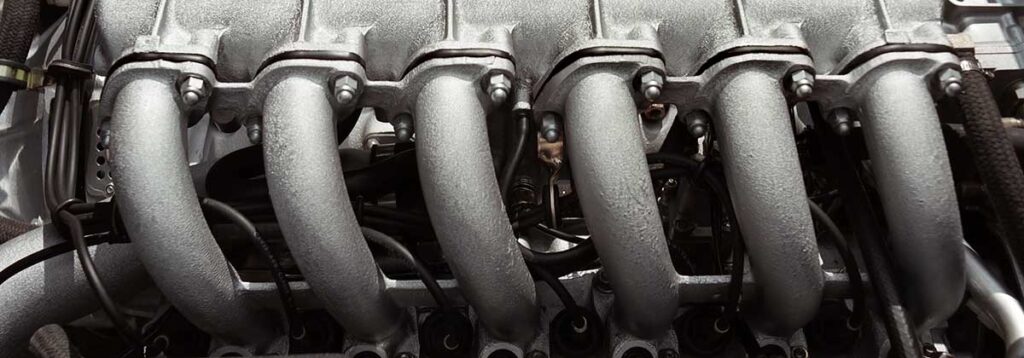
Both motorcycle exhaust headers and car exhaust manifolds serve the crucial function of collecting exhaust gases from the engine’s cylinders. However, a direct comparison—Motorcycle exhaust headers vs. new car exhaust manifolds—reveals significant design differences stemming from the fundamental variations in engine configurations. This comparison will explore how these differences impact scavenging efficiency, power output, and emissions, ultimately explaining why header upgrades offer substantial performance gains in motorcycles, while manifold upgrades in cars yield more modest results.
You may also refer to 機車傳動系統維護與保養指南:高效保養秘訣,提升機車性能!
- Header vs. Manifold: Key Differences
- Performance Gains: A Direct Comparison
- Exhaust Upgrades: A Detailed Look
- Choosing the Right Upgrade
- Motorcycle exhaust headers vs. new car exhaust manifolds Conclusion
- Motorcycle exhaust headers vs. new car exhaust manifolds Quick FAQ
Header vs. Manifold: Key Differences
Understanding the fundamental differences between motorcycle exhaust headers and car exhaust manifolds is crucial for appreciating their respective performance impacts. This comparison hinges on the inherent differences in engine design between motorcycles and cars, which directly influence exhaust system configuration and function. The core difference lies in the approach to collecting and routing exhaust gases.
In motorcycles, the prevalence of individual cylinders and the pursuit of optimal power output lead to the use of individual exhaust headers. Each cylinder gets its own pipe, optimizing scavenging – the process of using the exiting exhaust gases to help pull fresh air into the cylinders. This individualized approach maximizes the potential for performance gains, as each cylinder’s exhaust pulse is handled independently.
- Motorcycle headers: Typically consist of a separate pipe for each cylinder, maximizing scavenging efficiency and power gains.
- Car manifolds: Often merge exhaust gases from multiple cylinders into fewer pipes, prioritizing cost-effectiveness and emissions control.
Conversely, car exhaust manifolds usually employ a different strategy. Cars often have multiple cylinders arranged in a V or inline configuration. Therefore, the manifold design frequently merges exhaust gases from several cylinders into fewer pipes before they exit the engine. This approach makes for a more compact and cost-effective system. While it can still offer some performance improvements, the potential gains are less dramatic than with motorcycle headers because the merging of exhaust pulses can lead to interference and reduced scavenging efficiency.
The resulting performance implications are significant. The individual runners in motorcycle headers offer a substantial advantage in power and torque, especially in higher RPM ranges. In contrast, gains from upgraded car manifolds are often more subtle and may require other modifications to become noticeable. While both systems ultimately serve the same purpose – removing spent gases – their design and impact on performance vary considerably, reflecting the differing priorities between motorcycle and car engine design.
Performance Gains: A Direct Comparison
The performance impact of upgrading your exhaust system, whether it’s motorcycle headers or car manifolds, hinges heavily on the design and the engine type. Let’s directly compare the potential gains:
-
Motorcycle Headers: The individual tube design of motorcycle headers allows for significantly improved scavenging. This means the exhaust gases are pulled out of the cylinders more efficiently, creating a more powerful vacuum that helps draw in the fresh air-fuel mixture during the intake stroke. This directly translates to substantial horsepower and torque increases, often noticeable even with relatively simple upgrades. The gains are frequently in the range of several percentage points, and can be even more significant with higher-performance setups. This makes them a popular upgrade for enthusiasts seeking notable performance enhancements.
-
Car Manifolds: In contrast, car manifolds, particularly those in mass-produced vehicles, often prioritize emission control and manufacturing cost over raw power. The merging of exhaust gases into fewer pipes can lead to some performance benefits, but these are typically much less pronounced than with motorcycle headers. While a performance manifold might offer modest gains in horsepower and torque, these increases are usually far smaller and might be masked by other factors influencing vehicle performance. For car enthusiasts, the gains from a manifold upgrade are often seen as a small part of a much broader performance strategy.
It’s crucial to remember that the actual power gains depend on a variety of factors, including engine design, overall vehicle setup, and the quality of the exhaust components. While a header is almost always a worthwhile upgrade for a motorcycle, the return on investment for a car manifold is less certain and often requires careful consideration.
Exhaust Upgrades: A Detailed Look
Understanding the nuances of exhaust system upgrades is crucial for maximizing performance and achieving your desired outcome. When considering exhaust upgrades, remember that the design significantly impacts the results. For motorcycles, the individual tube design of headers allows for highly efficient scavenging of exhaust gases from each cylinder. This improves engine breathing, leading to substantial power gains, particularly noticeable in the mid-to-high RPM range. The focus here is on maximizing performance, often at the expense of emissions compliance and noise levels. Conversely, car exhaust manifolds, often featuring a merged design, balance performance with emissions regulations and manufacturing costs. While a performance upgrade is possible, the gains are typically more modest than those seen with motorcycle header replacements.
Several factors influence the effectiveness of exhaust upgrades. Material choice, tube diameter, and overall length all play a crucial role. For instance, materials like stainless steel offer durability and corrosion resistance, while lighter materials such as titanium can reduce overall weight, improving handling and acceleration, particularly beneficial in motorcycles. The diameter of the tubes impacts flow; too small, and backpressure increases, hindering performance. Too large, and you lose exhaust velocity, also reducing efficiency. Finally, the overall length of the exhaust system tunes the engine’s power band; different lengths optimize power at varying RPMs. Careful consideration of these factors is key to choosing the right upgrade for your specific needs and engine type, ensuring you maximize performance without compromising other aspects of your vehicle.
- Motorcycle headers prioritize individual cylinder scavenging for maximum power gains.
- Car manifolds often prioritize emissions and cost-effectiveness, resulting in more moderate performance gains.
- Material selection (stainless steel, titanium, etc.) impacts durability and weight.
- Tube diameter and length significantly influence exhaust flow and engine tuning.
“`html
| Feature | Motorcycle Headers | Car Manifolds |
|---|---|---|
| Design | Individual tube design; prioritizes scavenging for each cylinder. | Merged design; balances performance with emissions and cost. |
| Performance Gains | Substantial, especially in mid-to-high RPM range; improves engine breathing. | More modest gains compared to motorcycle headers. |
| Emissions & Noise | Often compromises emissions compliance and noise levels for maximum performance. | Prioritizes emissions regulations and often quieter operation. |
| Material Selection | Stainless steel (durable, corrosion resistant), titanium (lightweight, improves handling). | Variety of materials; choices often driven by cost and emissions regulations. |
| Tube Diameter & Length | Significant impact on exhaust flow and engine tuning; careful selection crucial. | Significant impact on exhaust flow and engine tuning; careful selection crucial. |
“`
Choosing the Right Upgrade
Selecting the optimal exhaust upgrade depends heavily on your vehicle type and performance goals. For motorcycles, upgrading to a performance header is often a worthwhile investment. The individual tube design directly contributes to improved scavenging, leading to noticeable power gains and a more aggressive exhaust note. This makes headers a popular choice for enthusiasts seeking enhanced performance.
Conversely, for cars, the decision is more nuanced. While aftermarket manifolds can offer some performance benefits, the gains are usually less dramatic than with motorcycle headers. The increased cost and complexity of a significant manifold upgrade may not justify the relatively small power increase, particularly when compared to other modifications such as engine tuning or intake upgrades that could offer greater returns. Consider the overall cost-benefit ratio carefully.
Here’s a quick checklist to guide your decision:
- Vehicle Type: Motorcycle or Car?
- Performance Goals: Significant power increase or modest improvement?
- Budget: How much are you willing to spend on the upgrade?
- Emissions Considerations: Are there any legal or environmental restrictions in your area?
Remember to always research reputable brands and installers to ensure proper fitment and performance. A poorly installed exhaust system can negatively impact engine performance and potentially cause damage. Careful consideration of these factors will help you choose the right upgrade for your specific needs and maximize your investment.
Motorcycle exhaust headers vs. new car exhaust manifolds Conclusion
In summarizing our exploration of Motorcycle exhaust headers vs. new car exhaust manifolds, it’s clear that while both serve the fundamental purpose of expelling exhaust gases, their design and performance impact differ significantly. The core distinction lies in the engine configurations they serve. Motorcycles, with their typically single-cylinder or small-number-cylinder engines, benefit greatly from the individual tube design of headers, maximizing scavenging and delivering substantial power gains. These gains are often readily apparent and a popular upgrade for performance-minded riders.
Conversely, car manifolds, designed for multi-cylinder engines, often prioritize cost-effectiveness and emissions compliance over maximizing raw power output. While performance gains from upgraded car manifolds are possible, they tend to be more modest and frequently overshadowed by the impact of other modifications. The merging of exhaust streams inherent in many car manifold designs inherently limits scavenging efficiency compared to the individual tube approach of motorcycle headers.
Therefore, the decision to upgrade your exhaust system requires careful consideration of your vehicle type and performance goals. For motorcycles, a header upgrade is often a high-return investment. For cars, the benefits are less pronounced, and the cost-benefit ratio needs to be carefully weighed against other potential performance upgrades. Ultimately, understanding the inherent differences between Motorcycle exhaust headers vs. new car exhaust manifolds is crucial for making an informed decision that aligns with your specific needs and budget.
Key Takeaways:
- Motorcycle headers offer significant horsepower and torque gains due to optimized scavenging.
- Car manifold upgrades provide more modest improvements, often overshadowed by other modifications.
- Consider your vehicle type, performance goals, budget, and emissions regulations before choosing an exhaust upgrade.
- Always choose quality components and ensure proper installation for optimal results and to avoid damage.
Motorcycle exhaust headers vs. new car exhaust manifolds Quick FAQ
What are the main differences between motorcycle exhaust headers and car exhaust manifolds?
The core difference lies in their design and function, stemming from the distinct engine configurations of motorcycles and cars. Motorcycle headers typically feature individual pipes for each cylinder, optimizing scavenging – the process of using exhaust gases to help pull in fresh air. This maximizes power gains. Car manifolds, however, often merge exhaust gases from multiple cylinders into fewer pipes, prioritizing cost-effectiveness and emissions compliance. This merging can reduce scavenging efficiency, resulting in smaller performance gains compared to motorcycle headers.
Will upgrading my car’s exhaust manifold yield significant performance improvements?
Generally, upgrading a car’s exhaust manifold will result in more modest performance gains compared to upgrading a motorcycle’s headers. While some horsepower and torque increases are possible, they are often small and might be overshadowed by other modifications or factors influencing vehicle performance. The cost and complexity of the upgrade should also be carefully considered against the potential return.
What factors should I consider when choosing between a motorcycle header and a car manifold upgrade?
Your decision depends heavily on your vehicle type, performance goals, budget, and local emissions regulations. For motorcycles, header upgrades are often a worthwhile investment due to significant power gains. For cars, the benefits are usually less substantial, and other modifications might offer better returns. Carefully weigh the potential power increase against the cost, complexity, and potential impact on emissions before making a decision. Always consider the reputation of the brand and the expertise of the installer to ensure proper fitment and performance.