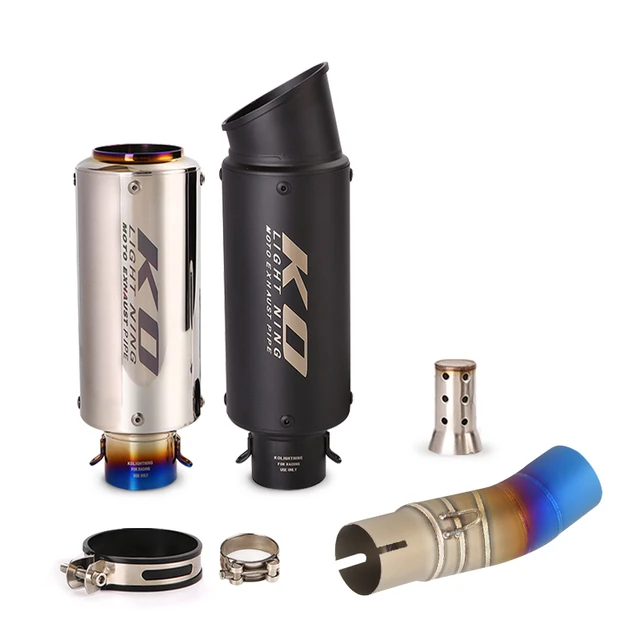
Motorcycle exhaust tip designs and new car exhaust tailpipes, while both serving the purpose of channeling exhaust gases, differ significantly in their design philosophies. This stems from contrasting priorities: motorcycles typically favor lightweight construction and performance gains, resulting in aggressive styling, while car exhaust systems prioritize integration with the vehicle’s aesthetics and often emphasize noise reduction and emissions compliance. This exploration delves into the aesthetic and functional differences between these two approaches, highlighting the key distinctions in materials, size, and overall design language.
You may also refer to 汽車內飾清潔與保養技巧:高效清潔座椅、儀表板、車門內飾的完整教學
- Weight & Material: Bike vs. Car Exhausts
- Design Philosophy: Bikes vs. Cars
- Size & Shape: Key Differences
- Sound & Emissions: A Key Contrast
- Motorcycle Exhaust Tip Designs vs. New Car Exhaust Tailpipes Conclusion
- Motorcycle exhaust tip designs vs. new car exhaust tailpipes Quick FAQ
Weight & Material: Bike vs. Car Exhausts
A significant difference between motorcycle exhaust tips and car exhaust tailpipes lies in their weight and the materials used in their construction. This stems directly from the differing design priorities for each application. Motorcycle enthusiasts prioritize performance and lightweight design, often at the expense of durability in certain applications.
Motorcycle exhausts frequently utilize lightweight materials such as titanium, carbon fiber, and aluminum to minimize weight and maximize performance. These materials offer excellent strength-to-weight ratios, crucial for enhancing a motorcycle’s handling and acceleration. The emphasis is on achieving noticeable gains in horsepower and torque, even if it means sacrificing some longevity compared to materials used in car exhausts. This often leads to aggressive, visually striking designs that complement the overall performance-oriented aesthetics of many motorcycles.
In contrast, car exhaust tailpipes tend to employ heavier, more durable materials such as stainless steel and mild steel. While stainless steel offers good corrosion resistance, its weight is typically higher than that of titanium or carbon fiber. The design emphasis shifts towards longevity, noise reduction, and meeting stringent emission regulations. The choice of material is influenced by factors beyond pure performance: cost, corrosion resistance, and the overall aesthetic integration with the vehicle’s design are all key considerations. Car manufacturers need to balance performance, durability, and cost-effectiveness, leading to a different materials selection from that of motorcycle manufacturers.
- Motorcycles: Prioritize lightweight materials (titanium, carbon fiber, aluminum) for performance gains.
- Cars: Favor durable materials (stainless steel, mild steel) for longevity, emissions compliance, and cost-effectiveness.
Design Philosophy: Bikes vs. Cars
The design philosophies behind motorcycle exhaust tips and car exhaust tailpipes diverge significantly, reflecting the distinct priorities of each vehicle type. For motorcycles, the overarching goal is often performance enhancement, coupled with a striking visual aesthetic. This leads to designs that prioritize weight reduction, sometimes at the expense of noise dampening.
- Motorcycle Exhausts: Focus is on maximizing power output and minimizing weight. This often translates to aggressive, exposed designs showcasing the underlying components. Lightweight materials like titanium and carbon fiber are frequently used, further enhancing performance and visual appeal. The design is often a statement piece, reflecting the rider’s personality.
- Car Exhausts: While performance remains a factor, the emphasis shifts considerably towards integration with the vehicle’s overall design and compliance with noise and emissions regulations. Tailpipe designs can range from understated and subtle, blending seamlessly into the car’s bodywork, to bold and flamboyant, serving as a key stylistic element. Durability and longevity are also important considerations, leading to the use of more robust, heavier materials such as stainless steel.
Therefore, while both serve the fundamental purpose of channeling exhaust gases, the design approach, the selection of materials and the overall aesthetic goals differ greatly. This contrast underscores the multifaceted nature of exhaust system design, reflecting the diverse needs and expectations of motorcycle and car enthusiasts.
Size & Shape: Key Differences
The size and shape of motorcycle exhaust tips and car exhaust tailpipes are dictated by vastly different priorities. Motorcycle exhausts, prioritizing lightweight design and performance, tend to be significantly smaller and more compact. This is driven by the need to minimize weight on the machine and to allow for optimal engine breathing. Think of the sleek, often stubby, designs common on sportbikes.
Conversely, car exhaust tailpipes, while considering performance, must also adhere to the vehicle’s overall aesthetics and available space. This often results in larger, more elaborate designs. The sheer size of a car compared to a motorcycle necessitates a larger exhaust system to manage the increased volume of exhaust gases. Moreover, car exhausts often need to accommodate multiple tailpipes, catalytic converters, and mufflers, significantly impacting their overall dimensions and shape.
- Motorcycle exhaust tips: Typically smaller diameter, shorter length, often featuring aggressive angles and unique shapes to enhance the bike’s sporty look. Materials prioritize lightweight characteristics, such as titanium or carbon fiber.
- Car exhaust tailpipes: Generally larger diameter, longer length, and incorporate a wider range of shapes and styles to suit different vehicle designs. Materials often prioritize durability and corrosion resistance, with stainless steel being a popular choice.
These differences in size and shape aren’t merely aesthetic; they are directly linked to the functional requirements of each application. The compact design of motorcycle exhausts maximizes performance by minimizing back pressure, whereas car exhaust systems often prioritize quieter operation and emission control through design features that increase the overall size and complexity of the system.
“`html
| Feature | Motorcycle Exhaust Tips | Car Exhaust Tailpipes |
|---|---|---|
| Size | Smaller diameter, shorter length | Larger diameter, longer length |
| Shape | Often aggressive angles and unique shapes; compact design | Wider range of shapes and styles to suit vehicle design; more elaborate |
| Materials | Lightweight materials prioritized (e.g., titanium, carbon fiber) | Durability and corrosion resistance prioritized (e.g., stainless steel) |
| Design Priorities | Lightweight design, performance (minimizing back pressure) | Aesthetics, available space, quieter operation, emission control |
| Functional Impact | Maximizes performance | Prioritizes quieter operation and emission control |
“`
Sound & Emissions: A Key Contrast
The auditory experience and environmental impact are dramatically different between motorcycle and car exhaust systems, reflecting their distinct design priorities. Motorcycle exhausts often prioritize a loud, aggressive sound, contributing to the visceral thrill of riding. This is achieved through design elements that enhance exhaust flow and resonance, sometimes at the expense of noise pollution regulations. Aftermarket modifications often further amplify this effect, focusing on maximizing the power-enhancing roar.
In contrast, car exhaust systems generally aim for a quieter, more refined sound. Emissions regulations play a much more significant role in car exhaust design, requiring effective muffling systems to reduce harmful pollutants and noise. While some performance-oriented car exhausts might offer a sportier note, the emphasis is always on maintaining compliance and minimizing noise pollution. The development of quieter systems, often involving complex internal configurations, is a critical aspect of car exhaust design, unlike motorcycle systems where the emphasis often leans toward maximizing the sound.
Consider these key differences:
- Motorcycle exhausts: Often prioritize a loud, powerful sound, sometimes exceeding legal noise limits in aftermarket modifications.
- Car exhausts: Primarily focus on noise reduction and compliance with stringent emissions standards, aiming for a balanced sound profile.
The resulting soundscape—from the raw, unfiltered roar of a modified motorcycle to the subtle hum of a luxury sedan—highlights the fundamental differences in design goals and regulatory constraints between these two applications.
Motorcycle Exhaust Tip Designs vs. New Car Exhaust Tailpipes Conclusion
In summary, Motorcycle exhaust tip designs vs. new car exhaust tailpipes represent a fascinating study in contrasting design philosophies. While both serve the fundamental function of channeling exhaust gases, their implementation showcases stark differences driven by distinct priorities. Motorcycles prioritize lightweight construction and performance gains, leading to aggressive, often visually striking designs prioritizing a powerful, sometimes loud, exhaust note. Conversely, car exhaust tailpipes emphasize aesthetic integration with the vehicle, prioritizing noise reduction, emissions compliance, and longevity. This results in a wider range of designs, from subtle to flamboyant, using more durable materials and incorporating complex muffling systems.
The choice of materials, the size and shape of the exhaust, and the overall design language all reflect these core differences. Lightweight metals like titanium and carbon fiber dominate the motorcycle world, while heavier, more durable materials like stainless steel are preferred for car applications. The compact, often aggressive designs of motorcycle exhaust tips stand in contrast to the larger, more integrated designs of car exhaust tailpipes. The sound produced, from the powerful roar of a modified motorcycle to the quieter hum of a luxury car, further underscores the divergent goals of these two applications.
Ultimately, the choice between a motorcycle exhaust tip and a car exhaust tailpipe boils down to the specific needs and priorities of the vehicle and its owner. Understanding these fundamental differences – in weight, design philosophy, size, sound, and emissions – is crucial for making informed decisions about aftermarket modifications or simply appreciating the distinct engineering approaches behind these two vital automotive components. This guide has hopefully provided a clear understanding of the key distinctions in Motorcycle exhaust tip designs vs. new car exhaust tailpipes.
Motorcycle exhaust tip designs vs. new car exhaust tailpipes Quick FAQ
What are the main material differences between motorcycle exhaust tips and car exhaust tailpipes?
Motorcycle exhausts often utilize lightweight, high-performance materials like titanium, carbon fiber, and aluminum to maximize power and reduce weight. Car exhausts, conversely, tend to use heavier, more durable materials such as stainless steel and mild steel, prioritizing longevity, corrosion resistance, and cost-effectiveness while meeting emissions regulations.
Why are motorcycle exhaust tips typically smaller and more aggressively styled than car exhaust tailpipes?
The size and style differences reflect the different priorities. Motorcycle exhausts prioritize minimizing weight and maximizing performance, leading to compact, often aggressively styled designs. Car exhausts, in contrast, must integrate with the vehicle’s aesthetics, accommodate larger systems (including catalytic converters and mufflers), and comply with noise and emissions regulations, resulting in larger and more varied designs.
How do the sound characteristics differ between motorcycle and car exhaust systems?
Motorcycle exhausts often emphasize a loud, powerful, and sometimes aggressive sound, contributing to the riding experience. Aftermarket modifications frequently amplify this. Car exhaust systems, however, typically aim for a quieter, more refined sound while complying with strict noise and emission regulations. The design and engineering prioritize noise reduction and emissions control over a loud exhaust note.