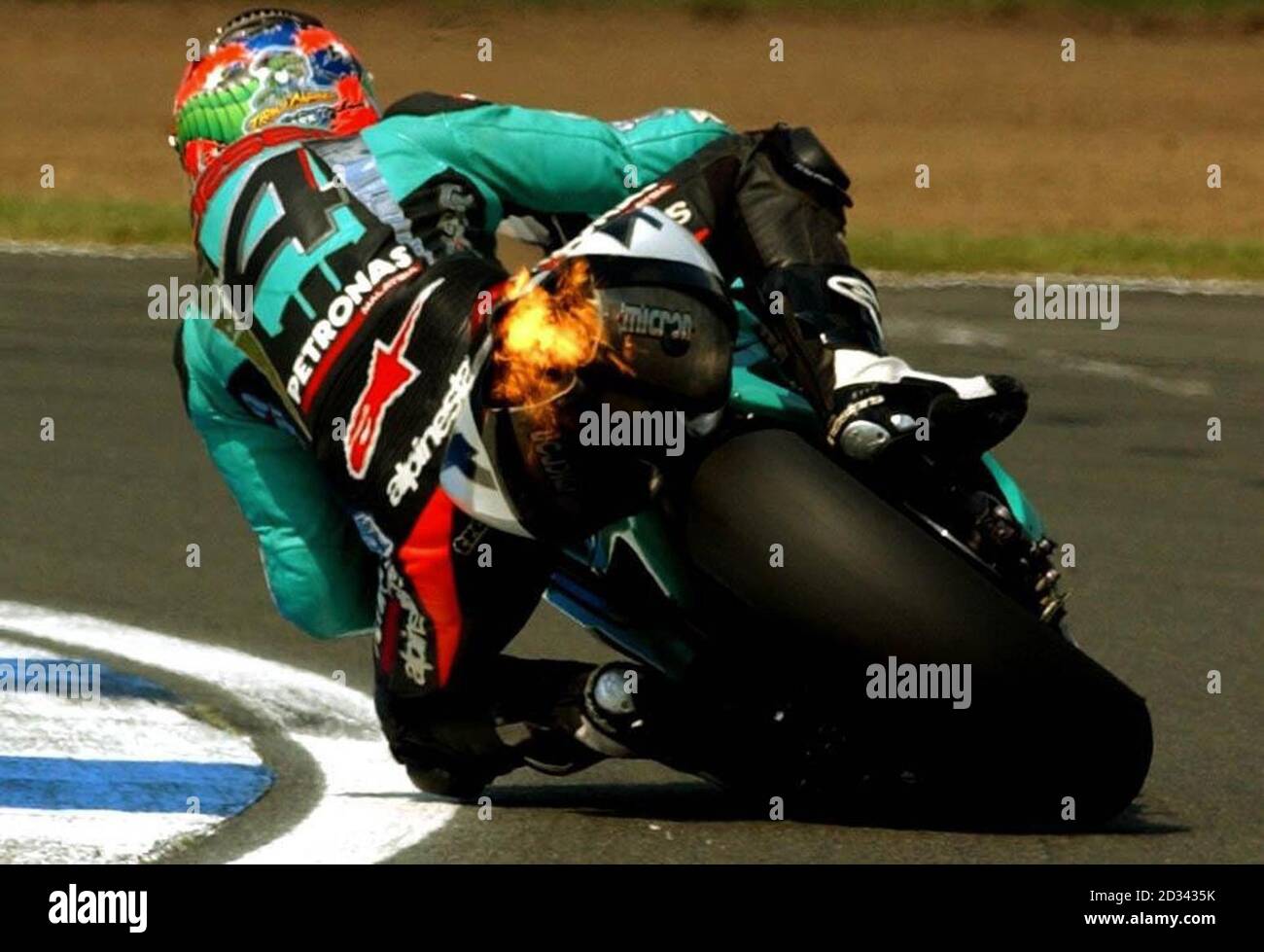
Backfires, while potentially damaging, are often preventable. Understanding the differences in their causes between motorcycles and modern cars is crucial for effective troubleshooting. This exploration of Motorcycle exhaust backfire prevention vs. new car backfire issues highlights the distinct approaches needed for each. While motorcycles frequently experience backfires due to lean fuel mixtures, faulty ignition systems, or exhaust leaks, requiring attention to carburetion/fuel injection, spark delivery, and exhaust integrity, newer cars often suffer from backfires stemming from catalytic converter problems, oxygen sensor malfunctions, or misfires, demanding a focus on emission control components and the engine management system. This guide will delve into the specific preventative measures and repair strategies for each.
You may also refer to 汽車車身貼膜改色注意事項:高效指南及完整教學
- Diagnosing Backfire Sources: Bikes vs. Cars
- Solutions: Bike vs. Car Backfires
- Prevent Backfires: Bikes vs. Cars
- Backfire Prevention: Bikes vs. Cars
- Motorcycle exhaust backfire prevention vs. new car backfire issues Conclusion
- Motorcycle exhaust backfire prevention vs. new car backfire issues Quick FAQ
Diagnosing Backfire Sources: Bikes vs. Cars
Pinpointing the root cause of a backfire is crucial for effective repair, and the diagnostic process differs significantly between motorcycles and modern cars. For motorcycles, especially older models with carburetors, a lean fuel mixture is a common culprit. This often manifests as a popping sound from the exhaust, especially during deceleration. Your diagnostic journey should begin with careful inspection of the carburetor or fuel injection system (EFI) to ensure proper fuel delivery. A visual inspection of the spark plugs and ignition coils will rule out weak sparks or other ignition issues. Simultaneously, check for exhaust leaks as these can exacerbate a lean condition and lead to backfires. Remember, a backfire in a motorcycle can severely damage internal engine components.
In contrast, diagnosing backfires in newer cars necessitates a more sophisticated approach, often involving OBD-II diagnostics. While a lean condition can still contribute, problems with the catalytic converter, oxygen sensor, or misfires are frequently to blame. A malfunctioning catalytic converter, for instance, can restrict exhaust flow, leading to pressure buildup and backfires. Oxygen sensor failure can result in an inaccurate fuel mixture, which again contributes to the problem. Using a scan tool to read the engine’s diagnostic trouble codes (DTCs) is the first step. This will often pinpoint the malfunctioning sensor or system component, guiding you toward the correct repair strategy. Misfires, indicated by rough running or poor performance, are also common precursors to backfires and should be addressed promptly.
Here’s a summary of diagnostic steps for each:
- Motorcycles: Check carburetor/EFI settings, inspect spark plugs and coils, look for exhaust leaks.
- Cars: Use OBD-II diagnostics to read DTCs, inspect oxygen sensors and catalytic converter, investigate for misfires.
Ignoring a backfire, regardless of the vehicle, can lead to serious engine damage, so thorough diagnosis is paramount. Remember to always prioritize safety and consult a professional mechanic if you’re unsure about any step in the diagnostic or repair process.
Solutions: Bike vs. Car Backfires
Addressing backfires requires a targeted approach, differing significantly between motorcycles and modern cars. Understanding the root cause is paramount for effective repair.
Motorcycle Backfire Solutions:
- Carburetion/EFI Issues: A lean fuel mixture is a common culprit. Careful tuning of the carburetor (on older bikes) or Electronic Fuel Injection (EFI) system is crucial. This may involve adjusting fuel screws, checking fuel pressure, and ensuring the air/fuel ratio is correct. Professional tuning is often advisable for EFI systems.
- Ignition System Problems: Faulty spark plugs, worn-out ignition coils, or damaged wiring can lead to misfires and backfires. Inspecting and replacing these components as needed is essential. A proper gap setting on the spark plugs is also critical for optimal ignition.
- Exhaust System Leaks: Leaks in the exhaust system can cause unburnt fuel to ignite in the exhaust pipe, resulting in backfires. A thorough inspection of the entire exhaust system—from the header pipes to the muffler—is necessary to identify and repair any leaks. This might involve welding, replacing damaged sections, or tightening loose connections.
Modern Car Backfire Solutions:
- Catalytic Converter Problems: A failing catalytic converter can restrict exhaust flow, leading to backfires. Replacing the converter is often the solution, and this should be done by a qualified mechanic due to the complexities involved. A visual inspection for damage or blockage might be conducted first.
- Oxygen Sensor Malfunctions: A faulty oxygen sensor provides inaccurate readings to the engine control unit (ECU), resulting in improper fuel delivery and potentially backfires. Replacing the sensor is necessary, ensuring it’s the correct type for your vehicle.
- Misfire Issues: Misfires in modern cars are often diagnosed using diagnostic tools that read engine codes. The cause could range from faulty spark plugs and ignition coils to problems with fuel injectors or even more complex engine management system issues requiring professional attention.
Remember, improper repair attempts can exacerbate the problem, potentially causing further damage. Consult a qualified mechanic if you are unsure about any aspect of the repair process. The complexities of modern fuel injection systems and emission control components require specialized knowledge and tools.
Prevent Backfires: Bikes vs. Cars
Proactive maintenance is paramount to prevent backfires in both motorcycles and cars. For motorcycles, regular carb/EFI tuning is crucial to ensure the correct air-fuel mixture, preventing lean conditions that frequently lead to backfires. This includes checking for proper fuel delivery and ensuring the carburetor or fuel injection system is operating correctly. A well-maintained ignition system, including clean spark plugs and functioning ignition coils, is equally vital. Regular inspections for cracks or leaks in the exhaust system are also essential, as these can cause unburnt fuel to ignite in the exhaust, resulting in a backfire. Addressing these issues proactively will significantly reduce the likelihood of encountering a backfire.
In newer cars, preventing backfires requires a different approach. Regular maintenance of the catalytic converter and oxygen sensor is key, as malfunctions in these emission control components are common culprits. A malfunctioning oxygen sensor can lead to an incorrect air/fuel mixture, increasing the risk of a backfire. Similarly, a failing catalytic converter can restrict exhaust flow, causing pressure buildup and potentially leading to backfires. Ensuring the engine management system is functioning correctly through regular diagnostics is also crucial. Addressing potential misfires promptly is essential, as unburnt fuel entering the exhaust system can cause backfires. Therefore, a preventative maintenance strategy encompassing these key components is necessary to prevent backfires in modern cars.
- Motorcycles: Focus on carb/EFI tuning, ignition system checks (spark plugs, coils), and exhaust system inspections.
- Cars: Prioritize catalytic converter and oxygen sensor checks, engine diagnostics, and addressing misfires.
| Vehicle Type | Key Maintenance Areas | Specific Checks/Actions |
|---|---|---|
| Motorcycles | Carb/EFI Tuning | Ensure correct air-fuel mixture; check fuel delivery; verify carburetor/EFI system operation. |
| Ignition System | Clean spark plugs; check ignition coils. | |
| Exhaust System | Inspect for cracks or leaks. | |
| Cars | Catalytic Converter | Regular maintenance; check for malfunctions. |
| Oxygen Sensor | Regular maintenance; check for malfunctions; ensures correct air/fuel mixture. | |
| Engine Management System | Regular diagnostics. | |
| Misfires | Address promptly; prevent unburnt fuel from entering the exhaust. |
Backfire Prevention: Bikes vs. Cars
Understanding the root causes of backfires is paramount for effective prevention. For motorcycles, proactive maintenance is key. Regularly inspect your carburation or fuel injection system for proper fuel delivery. A lean fuel mixture, often indicated by poor performance and overheating, is a major culprit in motorcycle backfires. This necessitates careful tuning to achieve the optimal air-fuel ratio. Simultaneously, check your ignition system; worn spark plugs or a failing ignition coil can cause misfires that lead to backfires. Don’t forget to inspect the entire exhaust system for leaks, as these can allow unburnt fuel to ignite in the atmosphere. These checks should be part of your routine maintenance schedule to prevent unexpected backfires.
In contrast, car backfire prevention, particularly in newer vehicles with sophisticated emission controls, focuses on different areas. The catalytic converter, a crucial component of the emission system, is a common source of backfires when it fails. A faulty oxygen sensor, which monitors the air-fuel mixture and provides feedback to the engine control unit (ECU), can also lead to backfires by causing improper fuel delivery or ignition timing. Misfires remain a potential concern, but these are often related to issues within the engine management system rather than individual spark plugs (as in motorcycles). Therefore, a comprehensive diagnostic scan using an OBD-II scanner is crucial for identifying the precise cause of the problem and implementing the correct solution.
The preventative measures differ as well. For motorcycles, consistent maintenance, including regular carb/EFI cleaning and spark plug replacement, is crucial. For cars, focusing on the health of the catalytic converter and oxygen sensors is critical. Regular emission checks can detect problems before they lead to backfires. Remember that neglecting maintenance in both cases can lead to more significant, and more expensive, problems down the line. Proactive maintenance is the best strategy for preventing both motorcycle and car backfires.
Motorcycle exhaust backfire prevention vs. new car backfire issues Conclusion
This comprehensive guide on Motorcycle exhaust backfire prevention vs. new car backfire issues has highlighted the significant differences in causes, diagnosis, and solutions between motorcycle and modern car backfires. While both can be disruptive and potentially damaging, understanding these distinctions is crucial for effective troubleshooting and prevention.
For motorcycles, the focus remains on the fundamentals: maintaining a proper air-fuel mixture via careful carburetor or EFI tuning, ensuring a robust ignition system with healthy spark plugs and coils, and regularly inspecting the exhaust system for leaks. Neglecting any of these areas increases the risk of a backfire, potentially leading to costly engine damage.
In contrast, modern car backfires often point towards issues within the sophisticated emission control system. Regular diagnostics using an OBD-II scanner are paramount, allowing for early detection of problems with the catalytic converter, oxygen sensors, or the engine management system itself. Ignoring these warning signs can lead to more significant problems and expensive repairs.
Ultimately, proactive maintenance is the best defense against backfires in both motorcycles and cars. Regular servicing, combined with prompt attention to any unusual engine sounds or performance issues, will significantly reduce the likelihood of experiencing a backfire. Remember, while many repairs can be tackled by knowledgeable enthusiasts, complex issues involving fuel injection systems, emission controls, or engine management systems should be left to qualified professionals to avoid further damage or safety risks. This understanding of the specific nuances of Motorcycle exhaust backfire prevention vs. new car backfire issues empowers you to keep your machines running smoothly and safely.
Motorcycle exhaust backfire prevention vs. new car backfire issues Quick FAQ
What are the most common causes of backfires in motorcycles?
Motorcycle backfires are frequently caused by a lean fuel mixture (too much air, not enough fuel), problems with the ignition system (faulty spark plugs, ignition coils, or wiring), or exhaust leaks. These issues disrupt the proper combustion process, leading to unburnt fuel igniting in the exhaust system.
Why do modern cars backfire, and how is it different from motorcycles?
While a lean fuel mixture can still cause backfires in cars, newer vehicles often experience them due to problems with the emission control system. Common culprits include a failing catalytic converter (restricting exhaust flow), a malfunctioning oxygen sensor (providing inaccurate air/fuel mixture readings), or misfires detected by the engine management system. The diagnostic approach is often more sophisticated, involving OBD-II diagnostics.
How can I prevent backfires in my vehicle (motorcycle or car)?
Preventing backfires requires regular maintenance tailored to your vehicle type. For motorcycles, focus on carb/EFI tuning, ignition system checks (spark plugs, coils), and exhaust system inspections. For cars, prioritize catalytic converter and oxygen sensor checks, regular engine diagnostics using an OBD-II scanner, and addressing any misfires promptly. Addressing these issues proactively will significantly minimize the risk of experiencing a backfire.