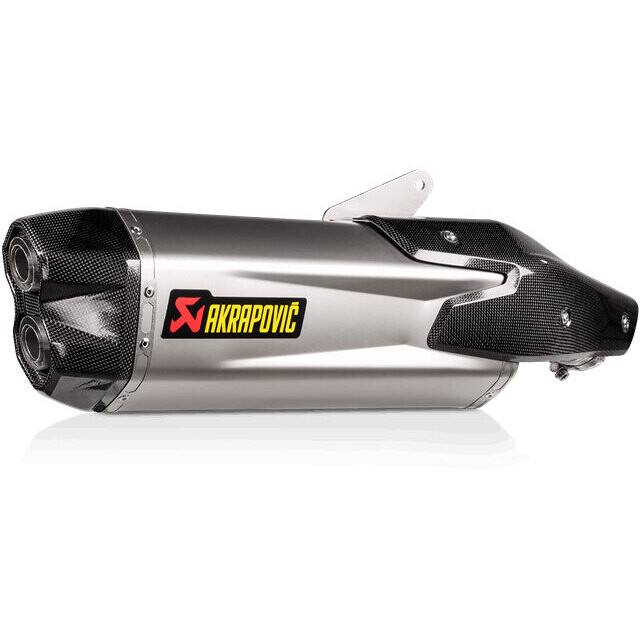
Choosing between upgrading your motorcycle or car’s exhaust can be daunting. This comparison of motorcycle exhaust slip-ons vs. new car exhaust bolt-ons clarifies the key differences in installation and performance gains. We’ll examine how much easier it is to fit slip-ons compared to bolt-ons, and explore the potential performance improvements, highlighting the trade-offs between simplicity and potential power increases.
You may also refer to 機車長期停放保養方法:高效攻略與完整指南
- Installation: Slip-ons vs. Bolt-ons
- Performance Gains: A Comparison
- Sound & Power: Slip-ons vs. Bolt-ons
- Choosing the Right Exhaust: Slip-ons vs. Bolt-ons
- Motorcycle exhaust slip-ons vs. new car exhaust bolt-ons Conclusion
- Motorcycle exhaust slip-ons vs. new car exhaust bolt-ons Quick FAQ
Installation: Slip-ons vs. Bolt-ons
One of the most significant differences between motorcycle slip-ons and car bolt-on exhaust systems lies in their installation process. This is a key factor for many enthusiasts, especially those tackling the job themselves. Let’s break down the differences:
Motorcycle Slip-on Installation:
Motorcycle slip-on exhausts are renowned for their ease of installation. This is largely due to their design. Typically, a slip-on system only requires the replacement of the muffler (or end can).
- Simple process: Generally, it involves removing a few bolts holding the old muffler in place, sliding the old one off, and sliding the new slip-on into position.
- Minimal tools: You’ll likely only need basic hand tools, such as a socket wrench and possibly a screwdriver.
- Quick turnaround: The entire process can often be completed in under an hour, even for first-timers.
Car Bolt-on Exhaust Installation:
While car bolt-on exhaust systems are also considered relatively straightforward modifications compared to full exhaust system replacements, their installation is considerably more involved than that of motorcycle slip-ons.
- Multiple components: Car bolt-ons usually involve replacing several components, potentially including the cat-back section of the exhaust, which extends from the catalytic converter to the tailpipes.
- More complex process: This often necessitates the removal of multiple exhaust system parts, potentially including clamps, hangers, and even heat shields.
- Specialized tools: You may require more specialized tools, such as exhaust hangers, a jack and jack stands, and possibly a torque wrench to ensure proper tightening.
- Longer installation time: Expect to spend significantly more time on this project, potentially several hours or even a full day, depending on the complexity of the system and your experience level.
In summary, while both slip-ons and bolt-ons offer relative ease of installation compared to more involved exhaust modifications, motorcycle slip-ons present a considerably simpler and quicker process, making them an attractive option for DIY enthusiasts.
Performance Gains: A Comparison
While both motorcycle slip-ons and car bolt-on exhaust systems promise performance enhancements, the reality is nuanced. Performance gains are highly dependent on several factors, including the specific design of the exhaust system, the engine’s characteristics, and even the riding style. Let’s break down the potential improvements you might see:
- Motorcycle Slip-ons: Generally, slip-on exhausts offer a more straightforward path to increased power. The relatively simple design and direct replacement of the muffler often leads to noticeable improvements in exhaust flow. This can result in a small horsepower increase, typically in the low-to-mid RPM range, and a more responsive throttle. However, the gains are usually less dramatic than full exhaust system replacements. The ease of installation is a significant advantage for those seeking a quick performance boost.
- Car Bolt-ons: Car bolt-on exhaust systems often involve more complex modifications, sometimes including catalytic converter replacements or changes to the downpipes. While the potential for larger horsepower increases exists – particularly with systems that address restrictive areas in the exhaust path – this usually comes at the cost of a more involved installation process. The improved performance may be more pronounced at higher RPMs, but you might also find that the modifications affect low-end torque differently.
It’s crucial to remember that performance gains are rarely significant with just a slip-on or bolt-on. For substantial horsepower increases, more extensive modifications are usually necessary. Expect modest improvements, accompanied by the improved sound most enthusiasts desire. Always research reputable brands and carefully consider the specific system’s compatibility with your vehicle before purchasing.
Sound & Power: Slip-ons vs. Bolt-ons
While both motorcycle slip-ons and car bolt-on exhaust systems promise performance enhancements, the nature and extent of those improvements differ. Let’s delve into the specifics of sound and power gains you can expect.
Sound:
Sound is often the primary motivator for upgrading exhausts. Motorcycle slip-ons are renowned for their ability to dramatically alter the bike’s sound profile. The changes can range from a subtle growl to a throaty roar, depending on the slip-on’s design and materials. Installation is usually straightforward, offering a quick route to a more aggressive or refined exhaust note. Car bolt-ons, while also capable of producing significant sound changes, often involve a more complex system. The resulting sound changes might be more integrated with the overall vehicle’s auditory experience, rather than a sharp, dramatic alteration like a motorcycle slip-on might provide. This is because car exhaust systems are typically more intricate, impacting the sound in a more nuanced way.
Power:
Power gains, on the other hand, are less predictable and often less significant than the sonic enhancements. Both slip-ons and bolt-ons can offer a marginal increase in horsepower and torque. However, the magnitude of these gains heavily relies on factors like the engine’s design, the exhaust system’s specifications, and even the ambient conditions. A well-designed slip-on can provide a noticeable increase in responsiveness, especially at higher RPMs, which many motorcycle riders will feel immediately. Similarly, car bolt-ons can improve throttle response and potentially unlock a small bump in horsepower and torque.
The ease of installation of a slip-on compared to a car bolt-on is a significant advantage, making sound and modest power improvements easily attainable for many motorcycle enthusiasts.
“`html
| Feature | Motorcycle Slip-ons | Car Bolt-ons |
|---|---|---|
| Sound | Dramatically alters sound profile; changes range from subtle growl to throaty roar; straightforward installation; sharp, dramatic alteration | Significant sound changes; more integrated with overall vehicle’s auditory experience; more complex system; more nuanced sound changes |
| Power | Marginal increase in horsepower and torque; noticeable increase in responsiveness at higher RPMs; modest gains unless paired with other modifications | Marginal increase in horsepower and torque; improved throttle response; modest gains unless paired with other modifications; more complex installation |
| Ease of Installation | Easy | More Complex |
“`
Choosing the Right Exhaust: Slip-ons vs. Bolt-ons
Selecting the right exhaust system for your vehicle depends heavily on your mechanical skills, budget, and desired outcome. Motorcycle slip-ons present a significantly easier path for those seeking a straightforward upgrade. Their simple installation, often involving only a few bolts, makes them ideal for weekend mechanics. Conversely, car bolt-on systems, while still considered relatively easy compared to full exhaust replacements, usually require more familiarity with automotive exhaust systems and may necessitate specialized tools.
Consider these factors when making your decision:
- Your mechanical aptitude: Are you comfortable working on your vehicle’s exhaust? Slip-ons are a great starting point for beginners.
- Your budget: Slip-ons typically cost less than car bolt-on systems.
- Desired performance gains: While both offer improvements, the magnitude of the gain varies widely depending on the specific system and your vehicle. Research reviews and specifications before committing to a purchase.
- Sound preferences: Both offer changes in exhaust note, but the specific sound profile varies greatly between brands and models. Listen to sound clips online if possible.
Ultimately, the “best” choice depends entirely on your individual needs and preferences. Weigh the factors above carefully to ensure you select the exhaust modification that best suits your vehicle and your skill level. Remember to always consult your vehicle’s owner’s manual and follow all safety precautions when working on your vehicle’s exhaust system.
Motorcycle exhaust slip-ons vs. new car exhaust bolt-ons Conclusion
In summarizing our comparison of Motorcycle exhaust slip-ons vs. new car exhaust bolt-ons, the key takeaway is the significant difference in installation complexity. Motorcycle slip-ons offer a remarkably straightforward upgrade, ideal for DIY enthusiasts with limited mechanical experience and time constraints. Their ease of installation, coupled with potential sound and modest power improvements, makes them an attractive entry point into the world of exhaust modifications. Car bolt-ons, while still relatively accessible compared to full exhaust system overhauls, demand a higher level of mechanical aptitude and often require more specialized tools and time commitment.
The decision ultimately hinges on your individual priorities. If ease of installation and a quick, noticeable change in sound are your primary goals, motorcycle slip-ons are the clear winner. If you’re comfortable tackling a more involved project and are aiming for potentially larger performance gains (though still relatively modest compared to extensive modifications), then a car bolt-on system might be more suitable. Remember to always prioritize safety and carefully research the compatibility and performance characteristics of any exhaust system before making a purchase. Regardless of your choice, researching reputable brands and understanding the specifics of your vehicle’s exhaust system are crucial for a successful and safe upgrade.
We hope this guide has clarified the key differences between Motorcycle exhaust slip-ons vs. new car exhaust bolt-ons and empowered you to make an informed decision about your next exhaust upgrade. Happy modifying!
Motorcycle exhaust slip-ons vs. new car exhaust bolt-ons Quick FAQ
How much harder is it to install a car bolt-on exhaust compared to a motorcycle slip-on?
Installing a motorcycle slip-on is significantly easier. Slip-ons typically involve removing a few bolts, while car bolt-ons often require replacing multiple components, potentially including sections of the exhaust system. This requires more tools and time, and a greater level of mechanical skill.
Will I get the same performance gains from a slip-on and a bolt-on?
No, the performance gains differ. While both can offer modest improvements in horsepower and torque, and noticeable sound changes, the magnitude of the increase varies significantly. Motorcycle slip-ons usually offer quicker and simpler installation, with potential for noticeable improvements in exhaust flow and throttle response, often in the low-to-mid RPM range. Car bolt-ons might yield larger potential gains but often at the cost of a far more involved installation process. The gains also depend heavily on the specific system and the vehicle’s engine.
Which is better for a beginner mechanic: a slip-on or a bolt-on?
A motorcycle slip-on is far better for a beginner mechanic. The installation process is much simpler, requiring fewer tools and less time. Car bolt-on installations are considerably more complex and may require specialized tools and knowledge of automotive exhaust systems.