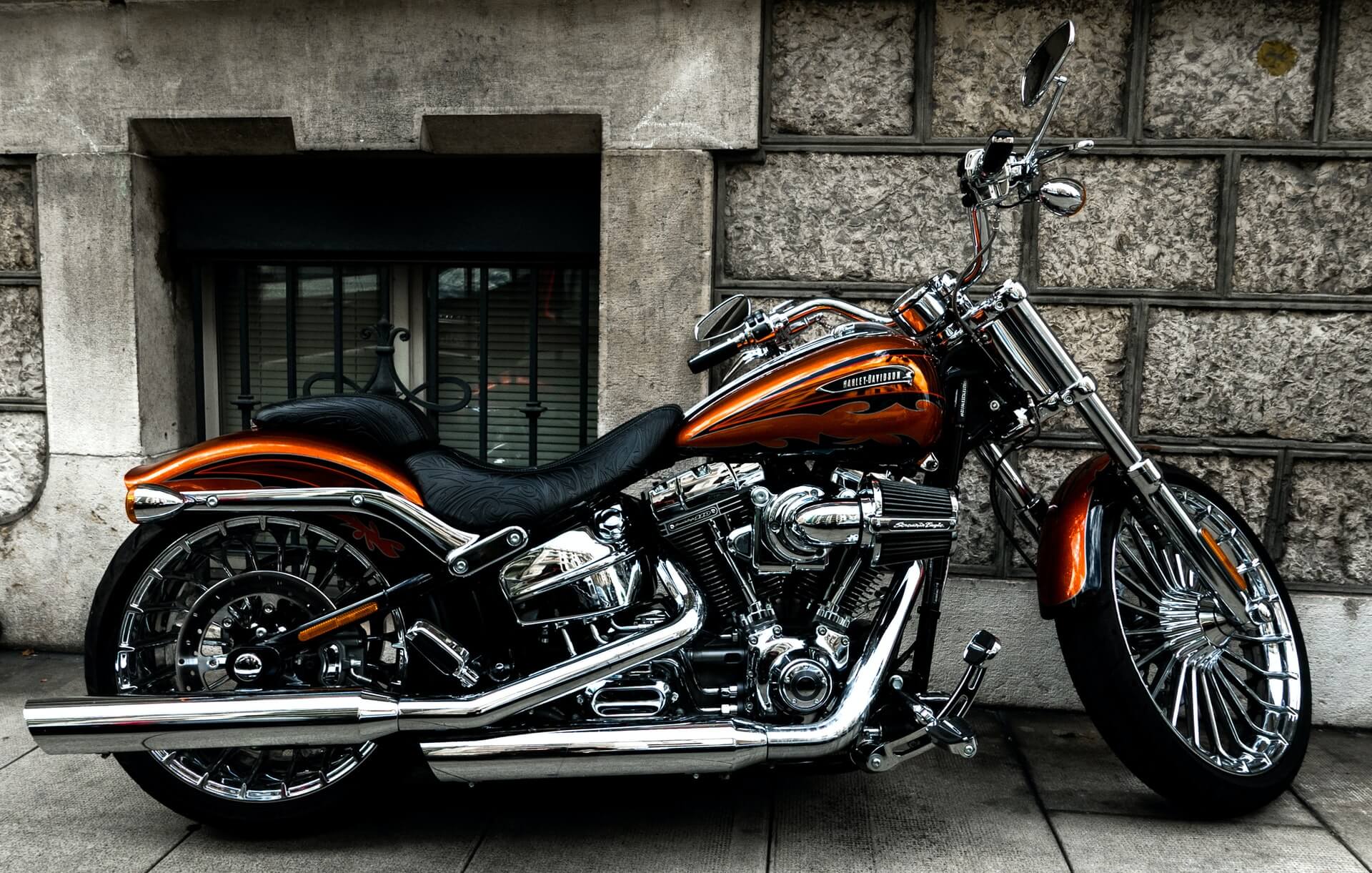
The world of exhaust system modification offers two distinct approaches: the extensive personalization of motorcycle exhausts and the more structured modular systems found in cars. Exploring the differences between motorcycle exhaust customization options vs. new car exhaust modular systems reveals contrasting paths to performance enhancement and aesthetic satisfaction. This comparison will delve into the creative freedom afforded by custom motorcycle exhausts and weigh it against the pre-engineered convenience and often simpler installation of car modular systems, reviewing customization choices for both motorcycle exhausts and car systems to ultimately determine which approach best suits specific performance and style goals.
You may also refer to 摩托車排氣管改裝 vs. 新車性能:速度、聲浪與燃油效率完整指南
- Exhaust Choices: Bikes vs. Cars
- Customization: Bikes vs. Cars
- Performance Gains: Bikes vs. Cars
- Sound & Aesthetics: Bikes vs. Cars
- Motorcycle exhaust customization options vs. new car exhaust modular systems Conclusion
- Motorcycle exhaust customization options vs. new car exhaust modular systems Quick FAQ
Exhaust Choices: Bikes vs. Cars
When considering exhaust system upgrades, the choices available for motorcycles and cars differ significantly, impacting both the customization process and the final outcome. This difference stems from fundamental design variations between the two vehicle types and the regulatory landscape surrounding automotive emissions. For motorcycles, the world of exhaust customization opens up a vast array of possibilities. Motorcycle exhaust systems offer a higher degree of freedom in material selection, allowing for the use of titanium, carbon fiber, and stainless steel, each affecting performance and aesthetics in distinct ways. The design flexibility is equally impressive; you can explore various shapes, lengths, and configurations, leading to highly personalized exhaust notes and visual appeal. This contrasts sharply with car exhaust systems.
Car exhaust modular systems, on the other hand, often prioritize a more controlled and standardized approach. While options exist, the choices are generally more limited than with motorcycles. Manufacturers offer pre-engineered components designed to fit specific vehicle models and comply with emission regulations. This often translates to a simpler installation process compared to motorcycle exhaust customization, where fabrication and fitting can be more involved. The emphasis is typically on achieving specific performance gains—such as increased horsepower and torque—within the confines of legal requirements. This means that while a car enthusiast might find several modular options, the level of personal design freedom is significantly less compared to the almost limitless possibilities available for motorcycle exhaust systems.
- Motorcycles: Extensive material and design choices, highly personalized experience, greater freedom for unique sound profiles.
- Cars: More limited choices, often pre-engineered components, focus on performance gains and emission compliance, simpler installation.
The fundamental difference in design philosophies – the bespoke nature of motorcycle exhausts versus the modular, often pre-engineered approach in cars – dictates the overall customization journey and the final result. This impacts not only the performance but also the aesthetic and even the legal compliance aspects of the upgrade.
Customization: Bikes vs. Cars
When it comes to exhaust system customization, motorcycles and cars offer dramatically different approaches and levels of freedom. Motorcycle exhaust customization presents a nearly limitless landscape for personalization. The relatively simpler design of motorcycle exhaust systems allows for extensive modification. This includes:
- Material Selection: A wide range of materials, from stainless steel and titanium to carbon fiber, are readily available, each impacting performance and aesthetics in unique ways. This provides immense flexibility in achieving desired weight, durability, and heat resistance.
- Design Flexibility: Motorcycle exhaust systems can be shaped and styled to an almost infinite degree, offering complete freedom for personal expression. This allows enthusiasts to create truly bespoke systems that perfectly match their bike’s style.
- DIY Potential: The relative simplicity of many motorcycle exhaust designs often means that skilled enthusiasts can fabricate or heavily modify their systems, further enhancing the personalization aspect. However, this requires significant mechanical aptitude and specialized tools.
In contrast, car exhaust modular systems typically offer a more controlled and often simpler upgrade path. While some level of customization is possible through component selection, the focus shifts towards pre-engineered performance gains and compliance with regulations. The advantages of this approach are clear:
- Ease of Installation: Modular systems often involve straightforward bolt-on replacements of existing components, minimizing the need for extensive fabrication or welding.
- Performance Optimization: Manufacturers design these systems for specific engine types and performance goals, providing a predictable and reliable enhancement to the vehicle’s power output. This focus on engineering ensures optimal function and avoids potential issues associated with poorly designed custom systems.
- Compliance: Modular systems are typically designed to meet or exceed emission regulations, reducing the risk of legal issues associated with non-compliant modifications.
Performance Gains: Bikes vs. Cars
Achieving performance gains through exhaust modifications differs significantly between motorcycles and cars. For motorcycles, the relatively simple exhaust system allows for substantial performance improvements through careful customization. A well-designed motorcycle exhaust system can optimize gas flow, reducing back pressure and increasing engine power and torque. This often involves selecting specific materials like titanium or carbon fiber for their lightweight properties and heat resistance, further enhancing performance. The high level of customization means that gains are highly dependent on the skill and knowledge of the builder and the specific engine characteristics.
Conversely, car exhaust modular systems typically offer a more predictable and often less dramatic path to performance enhancements. While some gains are achievable by replacing components like catalytic converters or mufflers with less restrictive aftermarket parts, the intricate design of most car exhaust systems and the stringent emission regulations often limit the extent of possible gains. Manufacturers typically provide pre-engineered components and systems, offering incremental improvements rather than the potentially significant gains possible with custom motorcycle exhausts. The focus tends to be on optimizing airflow within a certain range to meet specific criteria, balancing performance with emission compliance.
- Motorcycles: Significant power and torque gains are possible through highly customized exhaust design, but require expertise and careful tuning.
- Cars: Modular systems offer controlled performance improvements, usually less dramatic, with a stronger emphasis on compliance with emissions standards.
“`html
| Feature | Motorcycles | Cars |
|---|---|---|
| Exhaust System Complexity | Relatively simple; allows for high customization. | Modular; intricate design with stringent emission regulations. |
| Performance Gains | Significant power and torque gains possible through careful customization; highly dependent on builder expertise. | Controlled, incremental improvements; less dramatic gains due to emission regulations. |
| Methods of Improvement | Optimizing gas flow, reducing back pressure; using lightweight materials (titanium, carbon fiber). | Replacing components (catalytic converters, mufflers) with less restrictive aftermarket parts; pre-engineered systems. |
| Emphasis | Maximize power and torque; high level of customization. | Balance performance with emission compliance; incremental improvements. |
| Key Takeaway | Significant potential for gains, but requires specialized knowledge. | Predictable, less dramatic gains within regulatory constraints. |
“`
Sound & Aesthetics: Bikes vs. Cars
The auditory and visual experience of a modified exhaust system is a significant factor for both motorcycle and car enthusiasts. In the realm of motorcycle exhaust customization, the possibilities for sound are virtually limitless. From a deep, throaty rumble to a high-pitched scream, the choice is entirely yours, heavily influenced by pipe diameter, material, and baffling. This high degree of personalization allows riders to craft a unique sonic signature reflecting their individual preferences. However, this freedom comes with the caveat of potential noise pollution issues, and some jurisdictions have strict regulations on maximum decibel levels. Aesthetically, motorcycle exhausts offer even more expressive design opportunities, with diverse materials like stainless steel, titanium, and carbon fiber contributing to varied looks. The exhaust can be shaped and styled to dramatically alter the bike’s appearance, often serving as a prominent visual element.
In contrast, car exhaust modular systems generally offer less freedom in terms of sound customization. While different systems will produce varying sounds, the range is typically more constrained than that available for motorcycles. The focus for car exhaust systems is often on performance gains and improved efficiency. The sound is often a byproduct of those engineering goals, meaning a completely individualized sound signature is less achievable. While some systems allow for the choice between different muffler designs, this selection usually impacts the sound within a fairly narrow spectrum. Similarly, the aesthetic choices are also more limited. The design of modular car exhaust systems is largely dictated by the overall vehicle design and the need for a certain level of integration. While aftermarket systems can offer different finishes (chrome, black, etc.) the fundamental design will still be relatively constrained by the vehicle’s chassis and existing components. Customization in this sense is more about selecting a system that enhances the vehicle’s overall look rather than achieving a radical transformation.
To summarize the differences:
- Motorcycles: Offer extensive freedom for unique sound profiles and a wide range of visually striking aesthetic choices.
- Cars: Provide a more limited, but often well-engineered, range of sound and aesthetic options, prioritized for performance and integration with the vehicle’s design.
Motorcycle exhaust customization options vs. new car exhaust modular systems Conclusion
The journey to enhance your vehicle’s performance and aesthetics through exhaust modifications reveals a stark contrast between motorcycles and cars. Motorcycle exhaust customization options vs. new car exhaust modular systems represent two distinct approaches, each with its own set of advantages and disadvantages. While motorcycles offer a seemingly boundless realm of creative freedom, allowing for bespoke designs, materials, and soundscapes, car exhaust systems prioritize a more structured, often pre-engineered path towards performance gains and emission compliance.
Choosing the right path depends entirely on your priorities. If ultimate personalization, a unique sonic signature, and a visually striking exhaust are paramount, then the extensive freedom offered by motorcycle exhaust customization is the clear winner. However, this freedom comes with the responsibility of careful design, potential fabrication challenges, and the need to ensure compliance with local noise regulations. The DIY potential is also a significant factor, requiring a considerable level of mechanical skill.
For car enthusiasts, the modular approach provides a more straightforward and often less technically demanding route to performance enhancements. The emphasis on pre-engineered components simplifies installation, minimizes the risk of emission violations, and ensures predictable performance gains. While the level of aesthetic and sonic customization is more limited, the relative ease of installation and the focus on regulated performance make this a highly practical solution for many drivers.
Ultimately, the decision between Motorcycle exhaust customization options vs. new car exhaust modular systems hinges on individual preferences, technical skills, and the desired level of involvement in the modification process. Careful consideration of these factors will guide you towards the ideal path for transforming your vehicle’s performance and style.
Motorcycle exhaust customization options vs. new car exhaust modular systems Quick FAQ
What are the key differences between customizing a motorcycle exhaust and upgrading a car exhaust with a modular system?
The main difference lies in the level of customization. Motorcycle exhausts allow for nearly limitless personalization in materials (titanium, carbon fiber, stainless steel), design, and sound. Car exhaust modular systems, while offering upgrades, are more constrained by pre-engineered components designed for specific models and emission compliance. Motorcycle customization is a more involved, hands-on process, while car modular systems often involve simpler bolt-on installations.
Which approach offers greater performance gains: custom motorcycle exhausts or car modular systems?
Custom motorcycle exhausts, when expertly designed and tuned, can yield significant performance gains due to the greater freedom in design and material selection. However, this requires expertise. Car modular systems typically offer more predictable but generally less dramatic performance improvements, prioritizing compliance with emission standards. The gains are often incremental and well within the bounds of legal operation.
Which option provides more freedom in terms of sound and aesthetics?
Motorcycle exhaust customization offers vastly more freedom in both sound and aesthetics. You can tailor the sound to virtually any preference, though noise regulations must be considered. The visual options are similarly extensive. Car modular systems offer some choices, but the range of sound and aesthetic variations is significantly more limited, generally prioritizing the integration of the exhaust system with the vehicle’s overall design and factory specifications.