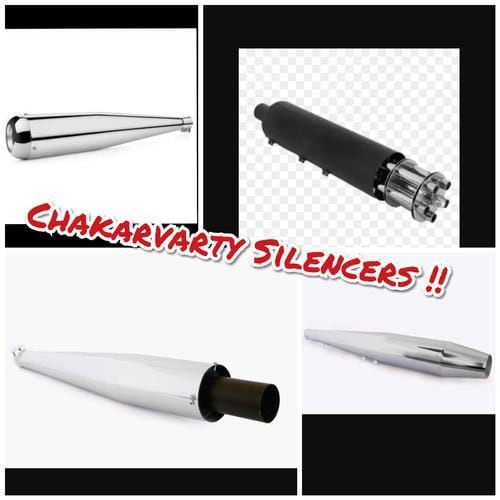
Choosing the right exhaust system significantly impacts a vehicle’s performance and sound. This guide delves into the crucial differences between motorcycle exhaust silencer types vs. new car muffler options, examining how various designs affect noise levels, engine backpressure, and overall performance. We’ll explore the characteristics of motorcycle silencers – such as baffle, perforated core, and reactive types – and compare them to common car muffler designs, including chambered, resonator, and turbo-back systems. Understanding these distinctions is essential for making informed decisions when upgrading your vehicle’s exhaust.
You may also refer to Motorcycle Exhaust Dyno Testing vs. New Car Testing: A How-To Guide
- Silencer/Muffler Choices Compared
- Exhaust System Choices: A Deep Dive
- Exhaust System Choices: A Closer Look
- Exhaust Upgrades: Bikes vs. Cars
- Motorcycle exhaust silencer types vs. new car muffler options Conclusion
- Motorcycle exhaust silencer types vs. new car muffler options Quick FAQ
Silencer/Muffler Choices Compared
Understanding the nuances of silencer and muffler design is crucial for achieving the desired balance between noise reduction, performance, and backpressure. Let’s delve into the specifics of various options available for motorcycles and cars. This comparison will highlight the key differences in their impact on both noise levels and engine performance.
Motorcycle Silencers
Motorcycle silencers, often called exhaust cans, come in a variety of designs, each impacting noise and performance differently. The choice significantly affects the sound and power output of your bike. Consider these popular types:
- Baffle-type silencers: These utilize a simple baffle inside the exhaust to disrupt the flow of exhaust gases, reducing noise. They generally offer a decent balance between sound dampening and performance, but backpressure may increase depending on the baffle design. A well-designed baffle minimizes backpressure while still muffling noise effectively.
- Perforated core silencers: These silencers use a perforated tube surrounded by packing material. The packing absorbs sound energy, offering greater noise reduction compared to simple baffles. The degree of noise reduction and backpressure depends on the core’s perforation pattern and the packing material’s properties. Performance can be affected due to increased backpressure.
- Reactive silencers: These silencers use chambers and internal structures to manipulate exhaust gas flow and reduce noise through interference. They are often more effective at reducing lower frequency noise but can be heavier and potentially restrictive to flow. Backpressure needs careful consideration, as improperly designed reactive silencers can significantly impact engine performance.
Car Mufflers
Car mufflers offer similar diversity in design, though their scale and complexity often surpass motorcycle silencers. The choice of muffler dramatically affects the sound and driveability of your vehicle. Key types include:
- Chambered mufflers: These use a series of chambers to absorb and reflect sound waves, reducing noise. They often provide a good balance between noise reduction and performance but can be bulky. The number and size of chambers directly impact both noise and backpressure.
- Resonator mufflers: Primarily designed to reduce specific frequencies of sound, usually lower-frequency drone. They often work in conjunction with chambered mufflers to refine the exhaust note. They typically have a smaller impact on backpressure but are less effective at overall sound reduction than chambered systems.
- Turbo-back exhaust systems: These systems replace the entire exhaust system from the turbocharger back. They often feature performance-oriented mufflers that minimize backpressure, maximizing power output. This choice prioritizes performance over significant noise reduction. High-flow design often results in a louder exhaust note.
Exhaust System Choices: A Deep Dive
Let’s delve deeper into the specifics of choosing the right exhaust system component for your vehicle. Understanding the nuances of each type is crucial for achieving your desired balance of noise reduction, performance, and backpressure. The choices available significantly impact the overall driving experience, whether you’re revving a motorcycle engine or cruising in a car.
For motorcycles, the selection primarily revolves around the silencer. Consider these key points:
- Baffle-type silencers: These offer a relatively simple design, often involving a perforated pipe within a larger casing. They provide a moderate level of noise reduction, but may impact performance due to increased backpressure. The level of noise reduction and backpressure influence is highly dependent on the baffle’s design and materials.
- Perforated core silencers: This design uses a perforated core wrapped in sound-absorbing material, offering a better balance of noise reduction and performance compared to simple baffles. The level of noise reduction is directly related to the core’s design and the absorptive material’s effectiveness. Backpressure is generally lower than with baffles, improving performance.
- Reactive silencers: These use chambers and internal structures to reflect and cancel sound waves, achieving significant noise reduction. However, the complex design can sometimes lead to higher backpressure, potentially impacting performance. The design’s complexity affects both noise and performance.
For cars, muffler choices are more diverse:
- Chambered mufflers: These utilize chambers to absorb and dissipate sound waves, offering good noise reduction. They typically have a moderate impact on backpressure, providing a decent balance between noise and performance. The number and size of chambers influence the overall effect.
- Resonator mufflers: Primarily designed to reduce specific frequencies of sound, these often work in conjunction with chambered mufflers to fine-tune the exhaust note. Their impact on backpressure is usually minimal, making them a popular choice for performance-oriented upgrades. Their effectiveness depends on the targeted frequencies.
- Turbo-back exhaust systems: These comprehensive systems replace the entire exhaust system from the turbocharger back, offering significant gains in performance at the cost of potentially increased noise. Backpressure is greatly reduced, leading to performance enhancements but often requiring additional noise reduction components to meet regulations.
Careful consideration of these factors—noise reduction, backpressure, and performance implications—is crucial for selecting the right exhaust system component, whether for a motorcycle or a car.
Exhaust System Choices: A Closer Look
Let’s delve deeper into the specific types of silencers and mufflers available, examining their impact on noise reduction, backpressure, and performance. Understanding these differences is crucial for making informed decisions about upgrading your vehicle’s exhaust system. Choosing the right exhaust system will significantly affect the overall sound, power delivery, and even the longevity of your engine.
Motorcycle Silencers:
Motorcycle exhaust silencer designs vary greatly, each influencing the sound and performance characteristics. Common types include:
- Baffle-type silencers: These offer a simple, often removable, sound-dampening device within the exhaust. They typically provide moderate noise reduction with minimal backpressure increase, making them popular for riders seeking a balance of sound and performance. However, their effectiveness can be limited.
- Perforated core silencers: These employ a perforated pipe surrounded by packing material, which absorbs sound energy. This design offers greater noise reduction compared to a simple baffle, and often maintains relatively good exhaust flow. The choice of packing material and core design significantly affect performance and longevity.
- Reactive silencers: These utilize chambers and internal structures to reflect and cancel out sound waves, offering superior noise reduction. However, they can sometimes introduce more backpressure than other designs, potentially impacting engine performance. Careful consideration of the design is necessary to balance noise reduction and performance.
Car Mufflers:
Car mufflers offer a wider range of designs, each tailored to specific performance and noise reduction goals. Key types include:
- Chambered mufflers: These use internal chambers and baffles to attenuate sound waves. They provide a good balance between noise reduction and flow, being a popular choice for many applications. The number and design of chambers significantly impact both noise and backpressure.
- Resonator mufflers: Often used in conjunction with chambered mufflers, resonators focus on eliminating specific sound frequencies. They generally contribute to a quieter exhaust note without significantly increasing backpressure. Their primary function is to refine the overall exhaust tone rather than provide major noise reduction alone.
- Turbo-back systems: These are complete exhaust systems, replacing everything from the turbocharger outlet (or manifold in naturally aspirated cars) to the tailpipes. They offer a comprehensive solution for enhancing performance and modifying the exhaust sound, but frequently increase the exhaust volume. Significant performance gains are possible, but careful selection is crucial to prevent excessive noise and potential engine damage.
“`html
| Category | Type | Description | Noise Reduction | Backpressure | Performance Impact |
|---|---|---|---|---|---|
| Motorcycle Silencers | Baffle-type | Simple, often removable sound-dampening device. | Moderate | Minimal | Good balance of sound and performance, but limited effectiveness. |
| Perforated Core | Perforated pipe surrounded by sound-absorbing packing material. | Greater than baffle | Relatively good | Performance and longevity depend on packing material and core design. | |
| Reactive | Chambers and internal structures reflect and cancel sound waves. | Superior | Can be higher | Careful consideration needed to balance noise and performance. | |
| Car Mufflers | Chambered | Internal chambers and baffles attenuate sound waves. | Good | Balanced | Good balance between noise reduction and flow. |
| Resonator | Eliminates specific sound frequencies; often used with chambered mufflers. | Moderate (refines tone) | Minimal | Refines exhaust tone, not major noise reduction. | |
| Turbo-back System | Complete system from turbo/manifold to tailpipes. | Can be high | Variable | Significant performance gains possible, but potential for excessive noise and engine damage. |
“`
Exhaust Upgrades: Bikes vs. Cars
When considering exhaust upgrades, the differences between motorcycles and cars become strikingly apparent. The design philosophies, performance goals, and even the regulatory landscape significantly influence the available options and their effects. For motorcycles, the focus often lies on achieving a specific sound profile alongside manageable backpressure. A simple baffle modification can dramatically alter the sound, while a more involved perforated core silencer offers a balance between noise reduction and performance. Conversely, car exhaust systems encompass a much broader range of design considerations. The sheer size and power output of most cars necessitate more complex muffler designs such as chambered systems or resonators to effectively manage exhaust gases and noise.
Consider these key distinctions:
- Noise Regulations: Motorcycle exhaust regulations are often stricter regarding sound levels than those for cars, influencing the types of silencers available and their design limitations.
- Backpressure Impact: While reduced backpressure generally boosts performance in both motorcycles and cars, the magnitude of the effect varies significantly due to engine differences and overall system design. A small change in a motorcycle silencer can have a noticeable impact on performance, while a car’s larger engine might require more substantial modifications for comparable results.
- Performance Goals: Motorcycle exhaust upgrades are frequently aimed at enhancing the aural experience, in addition to performance gains, often prioritizing a distinctive and throaty sound. Car exhaust upgrades, while sometimes driven by sound preference, usually focus more on maximizing power output, especially in performance-oriented vehicles. Turbo-back systems, for instance, significantly impact a car’s overall performance but might be less common in motorcycle modifications.
Therefore, a direct comparison of motorcycle silencers and car mufflers requires careful consideration of these factors. Understanding the unique characteristics of each vehicle type and its specific performance goals is critical for making informed decisions regarding exhaust upgrades.
Motorcycle exhaust silencer types vs. new car muffler options Conclusion
Choosing the right exhaust system for your vehicle is a multifaceted decision, significantly impacting both performance and aesthetics. This comprehensive guide on Motorcycle exhaust silencer types vs. new car muffler options has explored the diverse landscape of exhaust components available for motorcycles and cars, highlighting the key differences in their design, function, and impact on noise, backpressure, and overall performance.
We’ve examined the intricacies of various motorcycle silencer types, from simple baffle designs offering a balance of sound and performance, to sophisticated reactive silencers prioritizing noise reduction, each with its own trade-offs. Similarly, we’ve delved into the complexities of car muffler systems, ranging from basic chambered mufflers to performance-focused turbo-back systems, each designed to meet specific performance and sonic goals. The choice between these different types hinges on individual priorities—whether prioritizing noise reduction, maximizing power output, or achieving a specific exhaust note.
Key Takeaways:
- Motorcycle silencers offer a range of options to tailor sound and performance, often prioritizing a balance between noise reduction and maintaining engine responsiveness.
- Car mufflers provide a wider array of design choices, encompassing complex systems designed to manage exhaust gases effectively from powerful engines, and are often selected based on a holistic approach considering both performance and noise regulations.
- Understanding the relationship between backpressure, noise levels, and engine performance is crucial when choosing any exhaust upgrade.
- Careful consideration of individual needs and preferences—including budget, desired sound profile, and performance goals—is essential for making an informed decision regarding Motorcycle exhaust silencer types vs. new car muffler options.
Ultimately, the ideal exhaust system is subjective and depends on your specific needs and preferences. By carefully weighing the factors discussed in this guide, you can confidently select an exhaust system that enhances your vehicle’s performance and delivers the desired sound profile, whether you’re a motorcycle enthusiast or a car aficionado.
Motorcycle exhaust silencer types vs. new car muffler options Quick FAQ
What is the main difference between a baffle-type motorcycle silencer and a chambered car muffler?
While both aim to reduce noise, they achieve it differently. A baffle-type silencer uses a simple obstruction to disrupt exhaust gas flow, offering moderate noise reduction with potentially increased backpressure. A chambered muffler, on the other hand, uses a series of chambers to absorb and reflect sound waves, typically providing a better balance between noise reduction and maintaining exhaust flow. The complexity and scale differ significantly, reflecting the different sizes and power outputs of motorcycles and cars.
How does the choice of silencer/muffler affect engine performance?
The design of the silencer or muffler significantly impacts engine backpressure. Increased backpressure restricts exhaust gas flow, potentially reducing engine power and efficiency. A well-designed system minimizes this restriction, allowing for optimal performance. For example, a restrictive baffle-type silencer might negatively impact a motorcycle’s performance more noticeably than a well-designed chambered muffler would affect a car’s, due to the differences in engine size and operating parameters. Conversely, a high-flow, performance-oriented system in either vehicle could lead to increased noise.
Which type of exhaust system is best for maximizing performance, and what are the trade-offs?
For maximizing performance, systems designed to minimize backpressure are preferred. In cars, turbo-back systems achieve this by replacing the entire exhaust system from the turbocharger back. For motorcycles, a perforated core silencer offers a good balance of performance and noise reduction compared to a simple baffle. However, the trade-off is often increased noise. Meeting noise regulations and balancing performance with a tolerable sound level will always be a consideration when choosing an exhaust upgrade.