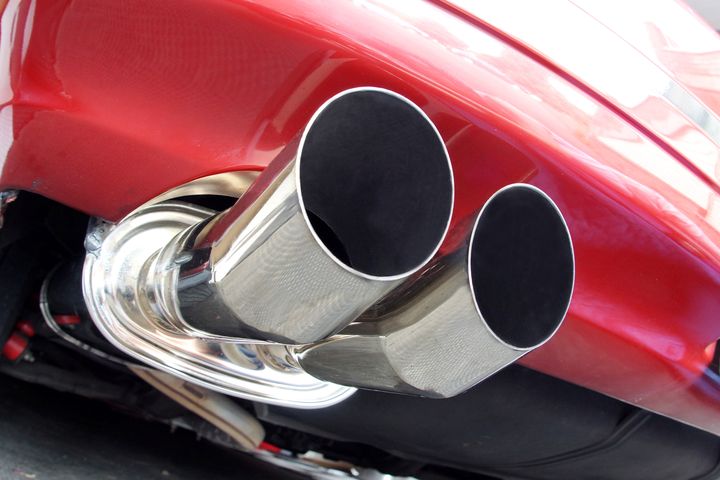
Exhaust system modifications profoundly alter both the riding and driving experience, but in distinct ways. This exploration of Motorcycle exhaust impact on riding experience vs. new car exhaust effect on driving feel will examine how these changes influence overall performance and feel. We’ll delve into how modifications affect power delivery, sound, handling (particularly the impact of weight distribution shifts on motorcycles), throttle response, engine noise, and even fuel efficiency. Understanding these nuanced effects is crucial for making informed choices that enhance, rather than compromise, the overall driving or riding pleasure.
You may also refer to Motorcycle Exhaust System Brand Comparisons vs. New Car Exhaust Brands: A Must-See Guide
- Exhaust Tuning: Bikes vs. Cars
- Performance Gains: Bikes vs. Cars
- Sound & Feel: Bikes vs. Cars
- Exhaust Effects: Bikes vs. Cars
- Motorcycle exhaust impact on riding experience vs. new car exhaust effect on driving feel Conclusion
- Motorcycle exhaust impact on riding experience vs. new car exhaust effect on driving feel Quick FAQ
Exhaust Tuning: Bikes vs. Cars
Exhaust tuning represents a significant area where motorcycle and car enthusiasts can personalize their vehicles, but the implications differ substantially. Exhaust Tuning: Bikes vs. Cars reveals a fascinating contrast in how modifications affect performance and the overall riding/driving experience. For motorcycles, exhaust tuning often involves replacing the entire system or modifying individual components like headers and mufflers to achieve desired power gains and a unique sound. This impacts not only power delivery and engine note but also, critically, the bike’s handling due to changes in weight distribution. Even seemingly minor adjustments can affect the motorcycle’s balance and responsiveness, highlighting the importance of careful consideration.
In cars, the approach to exhaust tuning is similar but broader. The sheer variety of engine types and chassis designs means a wider range of modification options. Exhaust Tuning: Bikes vs. Cars shows this difference clearly: while motorcycles often focus on maximizing power-to-weight ratio, car modifications might prioritize improved throttle response, specific engine sounds, or even enhanced fuel efficiency in some cases. The impacts on handling are less pronounced than on motorcycles, largely because cars inherently have a more stable platform. However, excessively heavy or poorly designed exhaust systems can still impact acceleration and handling.
Consider these key differences when approaching exhaust tuning for each vehicle type:
- Weight Distribution: Exhaust modifications significantly impact a motorcycle’s handling due to their relatively lightweight nature. Car weight distribution is less dramatically affected by exhaust changes.
- Power Delivery: Exhaust tuning can drastically alter a motorcycle’s power band, sometimes leading to a sharper throttle response and potentially more aggressive acceleration. In cars, this effect is also present but often less pronounced.
- Sound Characteristics: Both motorcycles and cars offer a wide array of exhaust options, each with unique sounds. Choosing an exhaust system involves balancing desired sound levels with potential legal implications and neighborhood considerations.
- Fuel Efficiency: While some exhaust modifications might marginally improve fuel efficiency in cars under specific conditions, this is less of a concern for motorcycles, where maximizing power often takes priority.
Performance Gains: Bikes vs. Cars
While both motorcycles and cars can experience performance enhancements from exhaust modifications, the nature and magnitude of these gains differ significantly. Let’s explore these differences:
-
Motorcycles: Exhaust modifications on motorcycles often lead to more noticeable power gains, particularly in the mid-to-high RPM range. A well-designed system can improve throttle response and increase peak horsepower. However, it’s crucial to remember that gains aren’t always linear; poorly chosen modifications can actually reduce power in certain RPM bands. The lighter weight of motorcycles also means that even small weight reductions from a lighter exhaust can impact handling and acceleration. The weight distribution shift can subtly affect cornering performance. The exhaust’s influence on the bike’s overall balance needs careful consideration.
-
Cars: Cars, due to their generally higher mass, may not show as dramatic horsepower increases from exhaust modifications alone. The benefits are often more subtle, focusing on improved throttle response and potentially a slight increase in horsepower and torque, particularly in specific RPM ranges. A well-tuned exhaust system can optimize the engine’s breathing, leading to better efficiency and a more responsive engine. However, significant performance increases usually require broader engine modifications in conjunction with the exhaust system. Overly aggressive exhaust modifications on cars might compromise low-end torque and fuel efficiency if not carefully matched to the engine’s characteristics.
Sound & Feel: Bikes vs. Cars
The auditory and tactile experience of a modified exhaust is dramatically different between motorcycles and cars. On motorcycles, the proximity of the exhaust to the rider intensifies the sound. A free-flowing exhaust system can create a throaty roar or a sharp, aggressive bark, directly impacting the riding experience. This visceral connection to the engine’s note is a significant part of the appeal for many motorcycle enthusiasts. The vibration transmitted through the chassis is also more pronounced on bikes, adding another dimension to the overall feel. Choosing an exhaust system involves carefully considering the desired sound profile and the accompanying vibrations, as these can be both exhilarating and fatiguing depending on the design and riding conditions.
In cars, the experience is more muted. While the sound of the exhaust is still noticeable, it’s typically less intense and more distant than on a motorcycle. The increased sound insulation and distance between the exhaust and the occupants contribute to a less direct connection with the engine’s output. However, exhaust modifications can still dramatically alter the character of the engine sound, from a subtle rumble to a powerful bellow. This sound, along with throttle response and the accompanying engine vibrations, creates the overall driving experience. Factors such as the vehicle’s cabin design and the type of exhaust system significantly influence the sound and feel inside the car. The choice is then centered around personal preference for engine noise and its integration into the driver’s overall comfort.
- Motorcycles: Direct and intense sound and vibration feedback; crucial for rider experience.
- Cars: More muffled and indirect sound; balanced approach between sound and passenger comfort.
| Feature | Motorcycles | Cars |
|---|---|---|
| Sound | Direct, intense; throaty roar or sharp bark; significant part of rider appeal. | More muted and distant; less intense; altered character from subtle rumble to powerful bellow. |
| Vibration | Pronounced; transmitted through chassis; adds to overall feel; can be exhilarating or fatiguing. | Less pronounced; influenced by cabin design and exhaust system; contributes to overall driving experience along with throttle response. |
| Sound Profile | Crucial for rider experience; careful consideration needed. | Personal preference for engine noise and its integration into driver comfort. |
| Proximity to Rider/Occupant | Exhaust close to rider, intensifying sound and vibration. | Exhaust distant from occupants, resulting in muted sound. |
| Overall Experience | Visceral connection to engine; significant impact on riding experience. | Balanced approach between sound and passenger comfort. |
Exhaust Effects: Bikes vs. Cars
Beyond performance and sound, exhaust modifications exert a noticeable impact on other aspects of the riding and driving experience. On motorcycles, the weight reduction from a lighter exhaust system can subtly alter handling characteristics, particularly noticeable in quick transitions and cornering. This is because the shift in weight distribution, even if minor, influences the bike’s center of gravity and inertia. Conversely, heavier aftermarket exhausts can make the motorcycle feel more sluggish and less responsive.
In cars, the effects are often more subtle but equally important to consider. A poorly designed or installed exhaust system can lead to increased back pressure, negatively affecting engine performance and potentially causing fuel efficiency losses. Furthermore, changes in exhaust routing can alter the car’s aerodynamics, though this is typically more pronounced in high-performance vehicles. Understanding these interconnected systems is critical; a seemingly minor exhaust modification can have unintended consequences on overall vehicle dynamics.
Let’s consider some specific examples:
- Increased Vibration: Some aftermarket exhausts, especially those designed for maximum performance, can introduce higher levels of vibration into the chassis, leading to discomfort for both rider and driver.
- Heat Dissipation: Exhaust system design significantly impacts heat management. Modifications may result in increased heat near the rider/driver or in the vehicle’s interior, causing discomfort or even potential damage to surrounding components.
- Legal Compliance: It’s crucial to remember that exhaust modifications must comply with local noise and emissions regulations. Non-compliant modifications can lead to fines and even legal issues.
Motorcycle exhaust impact on riding experience vs. new car exhaust effect on driving feel Conclusion
In conclusion, while both motorcycle and car exhaust modifications offer the potential for performance enhancements and personalized sound, the impact on the overall driving and riding experience differs significantly. Motorcycle exhaust impact on riding experience vs. new car exhaust effect on driving feel highlights a key distinction: the intimate connection between rider and machine in motorcycles amplifies the effects of exhaust changes. Weight distribution shifts, direct sound and vibration feedback, and even subtle power delivery alterations drastically shape the riding experience. For motorcycles, the choice of exhaust is a nuanced decision, balancing performance gains with handling characteristics, sound profile, and rider comfort.
Conversely, car exhaust modifications, while still capable of improving performance and sound, have a less pronounced effect on the driving feel. The increased mass of the car and the physical separation between driver and exhaust system dampen the visceral feedback. While performance enhancements are achievable, particularly in throttle response and engine note, the impact is often less dramatic and more integrated into the overall driving experience, needing to consider elements such as passenger comfort and interior noise levels. The choice of exhaust for a car is driven by a broader spectrum of considerations, from performance gains to aesthetics, passenger comfort and legal compliance.
Ultimately, understanding the unique nuances of Motorcycle exhaust impact on riding experience vs. new car exhaust effect on driving feel is crucial for any enthusiast. Careful consideration of factors such as weight distribution, power delivery, sound characteristics, fuel efficiency (where applicable), and legal regulations is essential to making informed modifications that enhance, rather than detract from, the enjoyment of the driving or riding experience. Whether you are tuning a motorcycle or a car, the key is a balanced approach that optimizes performance and driving pleasure without compromising safety or legal compliance.
Motorcycle exhaust impact on riding experience vs. new car exhaust effect on driving feel Quick FAQ
How significantly does a motorcycle exhaust modification affect handling compared to a car?
On motorcycles, exhaust modifications have a more pronounced impact on handling due to the bike’s lower weight. Even small changes in weight distribution from a lighter or heavier exhaust can noticeably alter the bike’s balance, affecting cornering and responsiveness. In cars, the effect is much less dramatic because of their significantly higher mass. While a poorly designed or excessively heavy exhaust system can affect a car’s handling, it’s generally far less significant than on a motorcycle.
What are the key differences in performance gains between modifying motorcycle and car exhausts?
Motorcycles often experience more noticeable horsepower gains from exhaust modifications, particularly in higher RPM ranges, due to their higher power-to-weight ratio. These changes can dramatically affect throttle response and acceleration. In cars, gains are typically more subtle, often focusing on improved throttle response and potentially small increases in horsepower and torque within specific RPM bands. Larger performance gains in cars usually require more extensive engine modifications in addition to exhaust work.
How does the sound and feel of a modified exhaust differ between a motorcycle and a car?
The sound and feel of a modified exhaust are drastically different. On motorcycles, the exhaust’s proximity to the rider creates a more intense and direct sound and vibration experience, directly impacting the riding sensation. In cars, the sound is typically more muffled and less intense due to increased sound insulation and the distance between the exhaust and the occupants. The overall feel, including vibrations, is less pronounced in cars, leading to a more subdued, though still customizable, driving experience.